
“Their garden was born not despite adversity, but because of it. From this thankless wilderness, would their horticultural Xanadu be crafted.”
John Warland, Dinner at Beth’s, Niwaki Field Report No. 2
Niwaki Field Report: field notes from Beth Chatto’s Plants and Gardens
The name ‘White Barns’ might not be familiar, but we’re sure Beth Chatto is. Winner of ten consecutive RHS gold medals and creator of one of the most influential gardens of the 20th century, this pioneering plantswoman well and truly left her mark. The daughter of a policeman, she had no formal horticultural training, and her interest in gardening was supported initially by her husband Andrew, a fruit farmer and fastidious researcher with a strong interest in ecology. Accepting a dinner invitation from Beth Chatto’s family – now custodians of her home and gardens – guest contributor and RHS gold medal winner John Warland travelled to Elmstead Market, Essex, to learn more about her legacy.
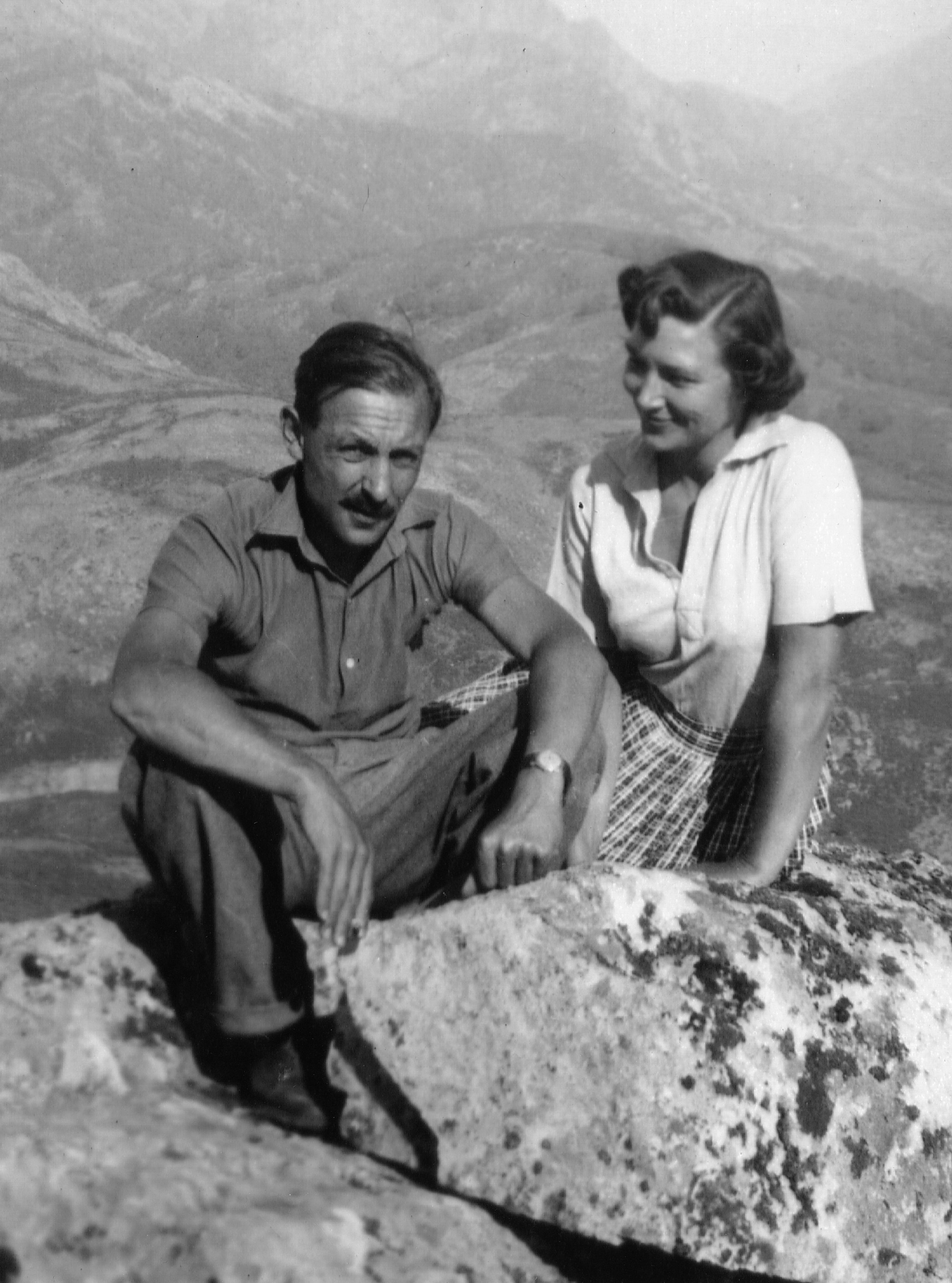
Andrew and Beth plant hunting in Corsica, July 1951
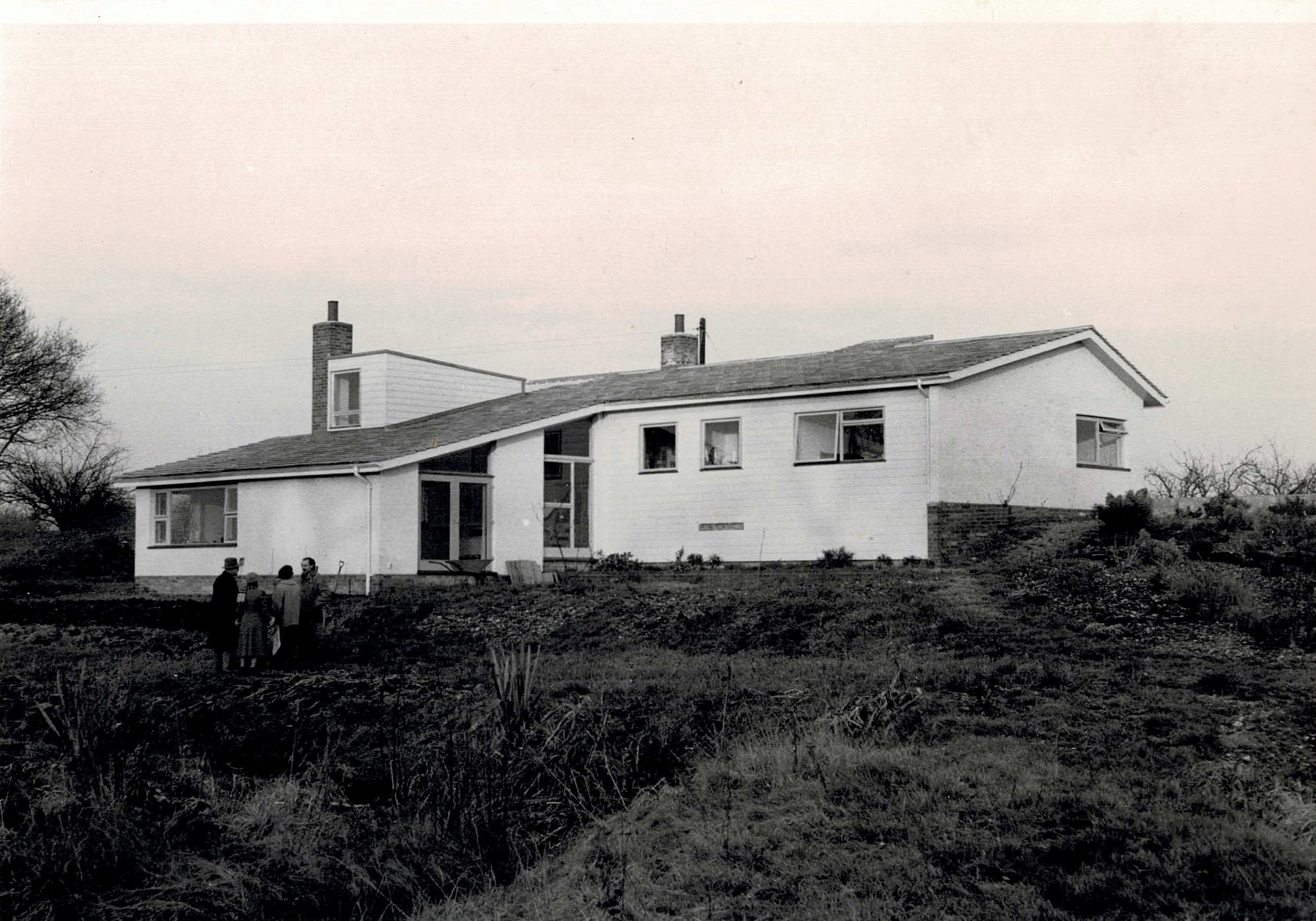
White Barns 1960
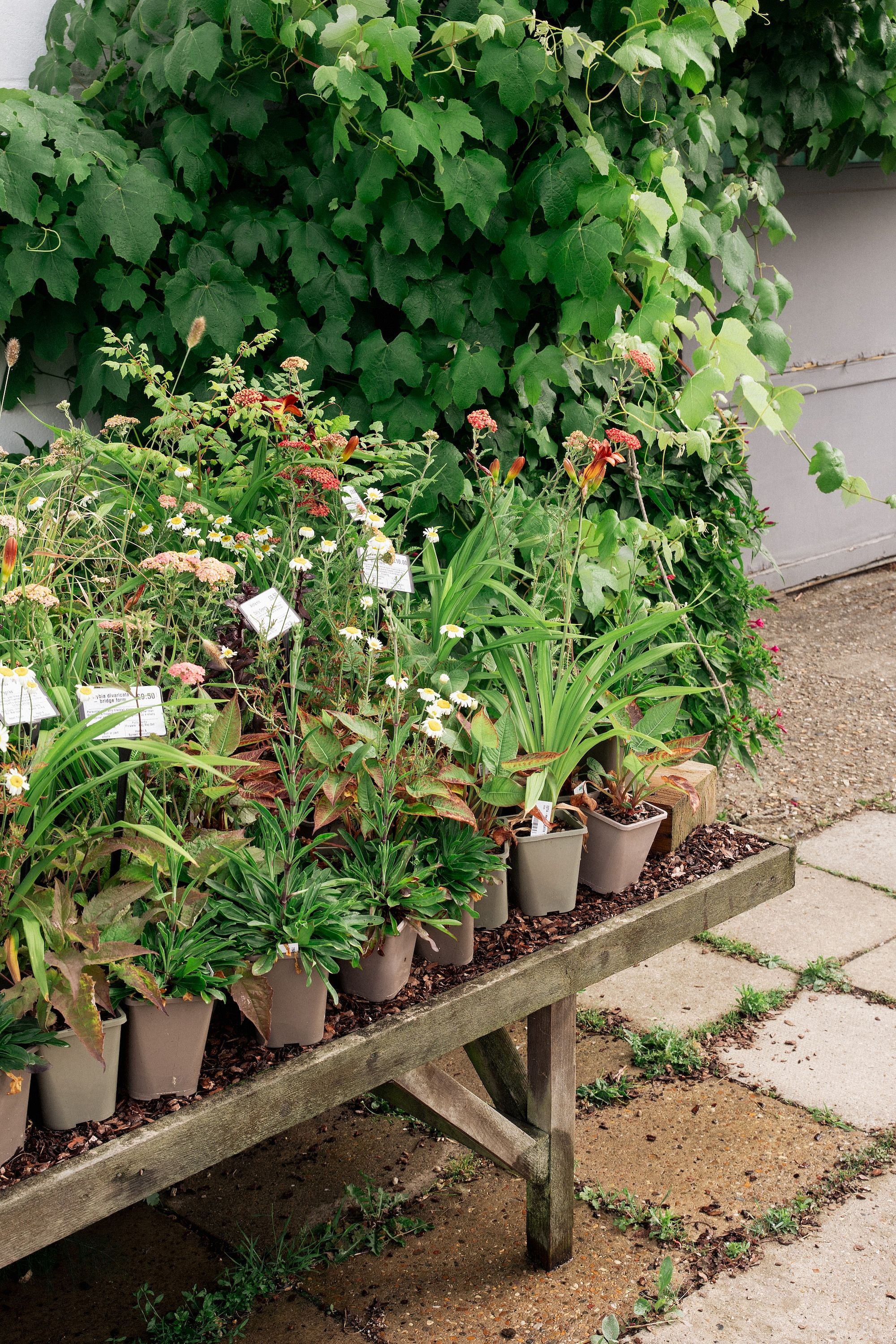
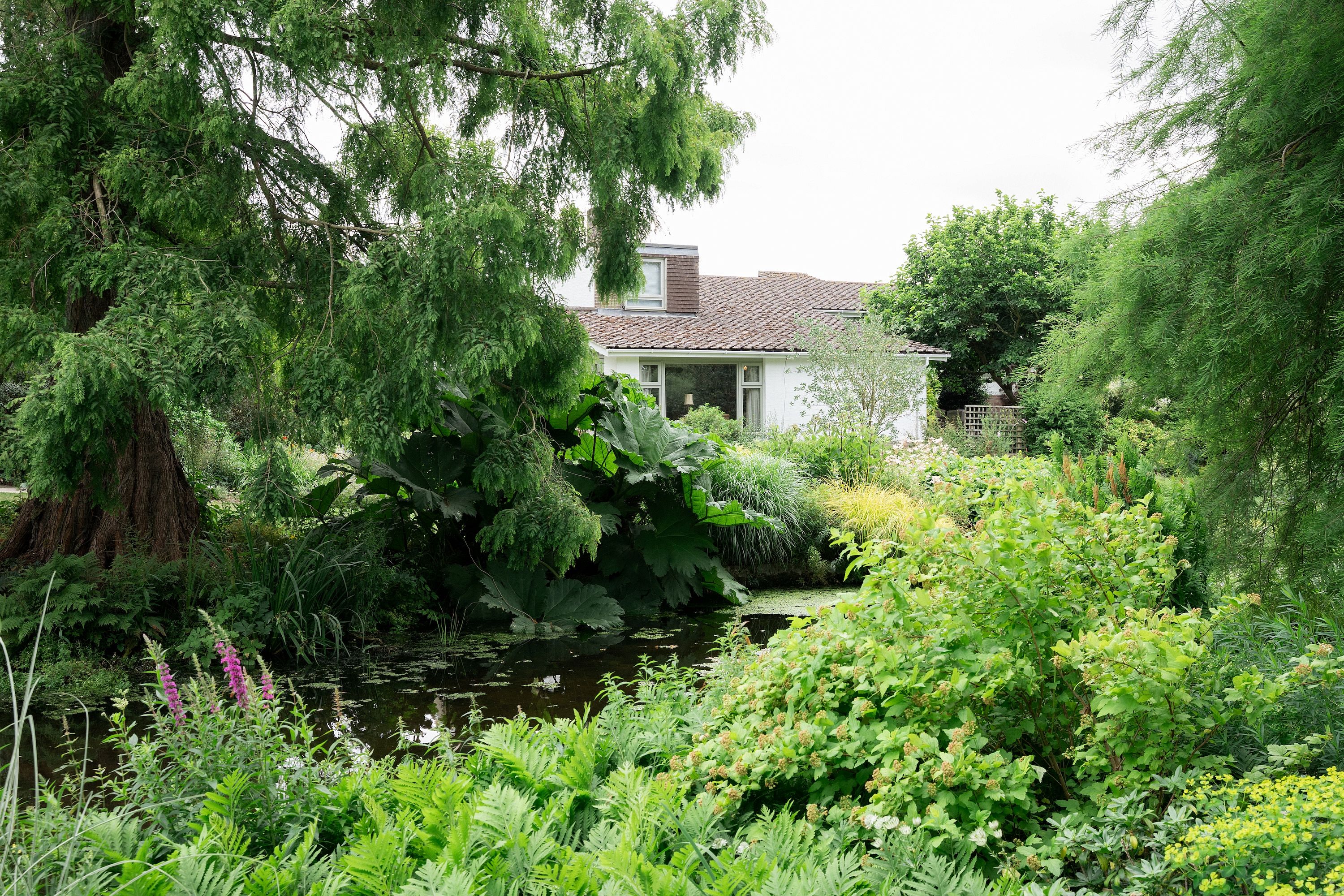
Looking through the family’s archives, it’s hard to imagine how anyone could see potential in the gardens’ seemingly limited prospects. Full of brambles and surrounded by neighbouring fruit farms, the house faced sandy gravel on one side and damp clay ditches on the other. Not to mention, limited rainfall and a barrage of icy North Sea winds. But despite the challenges, Beth and Andrew saw this as their chance to experiment and, with much trial and error, built an abundant green tapestry of their own.
Formidable and talented, Beth’s perseverance and social agility saw her rise quickly, finding friends and inspiration amongst horticultural royalty. But while commissions, committee invitations and opportunities regularly came her way - including the role of George Harrison’s private gardener - her devotion to the garden was stronger.
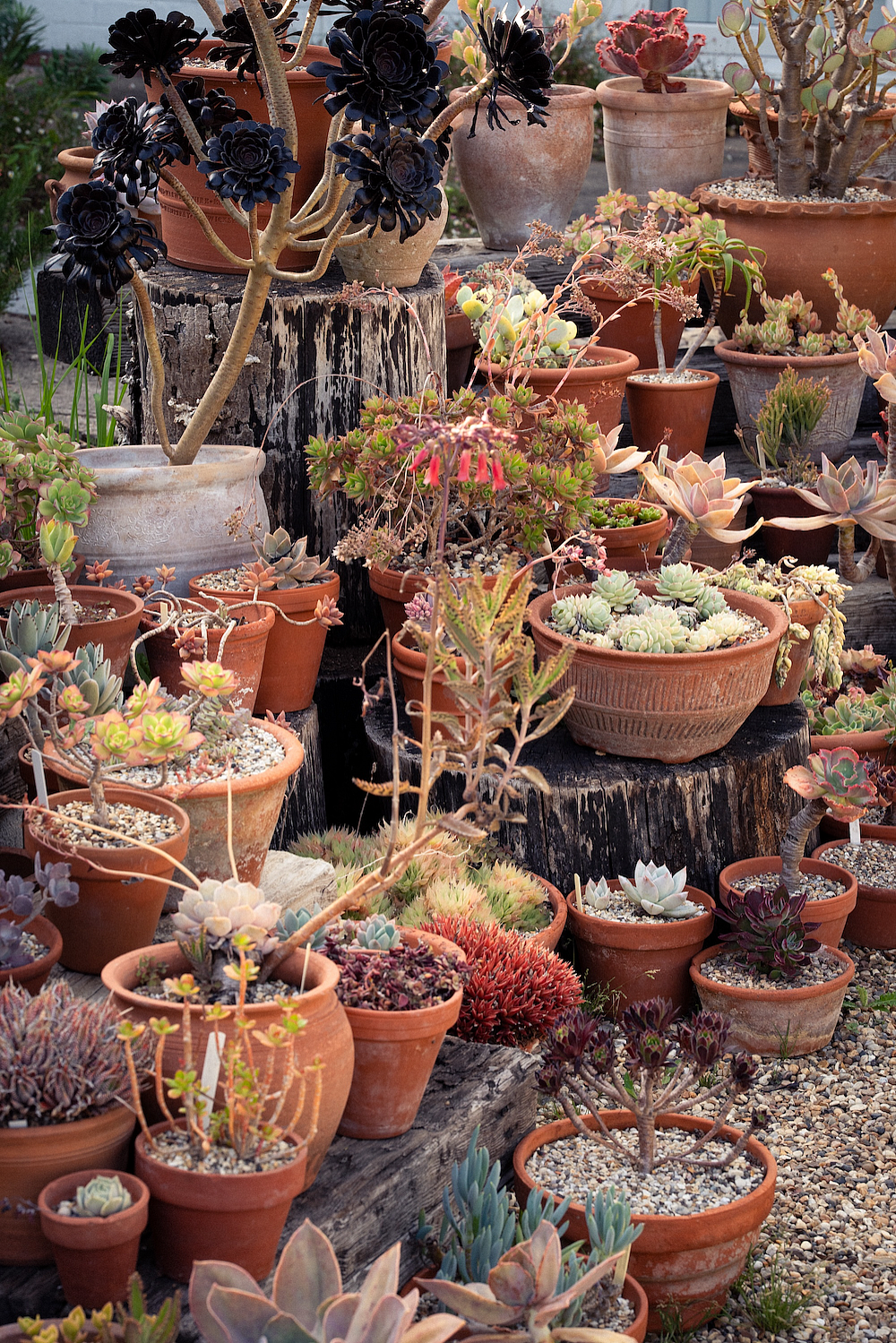
“Where could I be so happy, feel so at home as I do here? How could I belong as I belong to this piece of land.” - Beth Chatto.
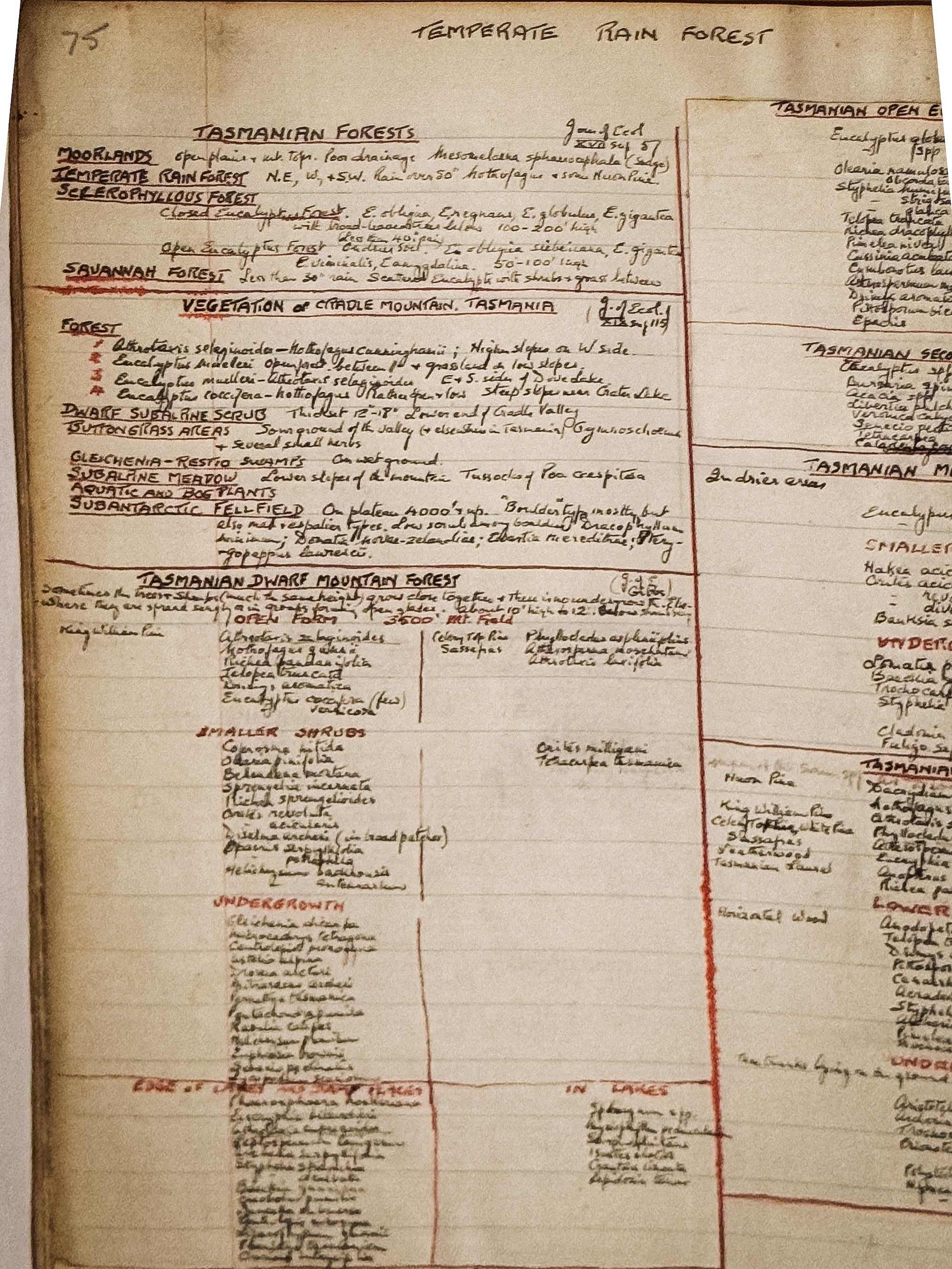
Andrew Chatto’s meticulous note-keeping
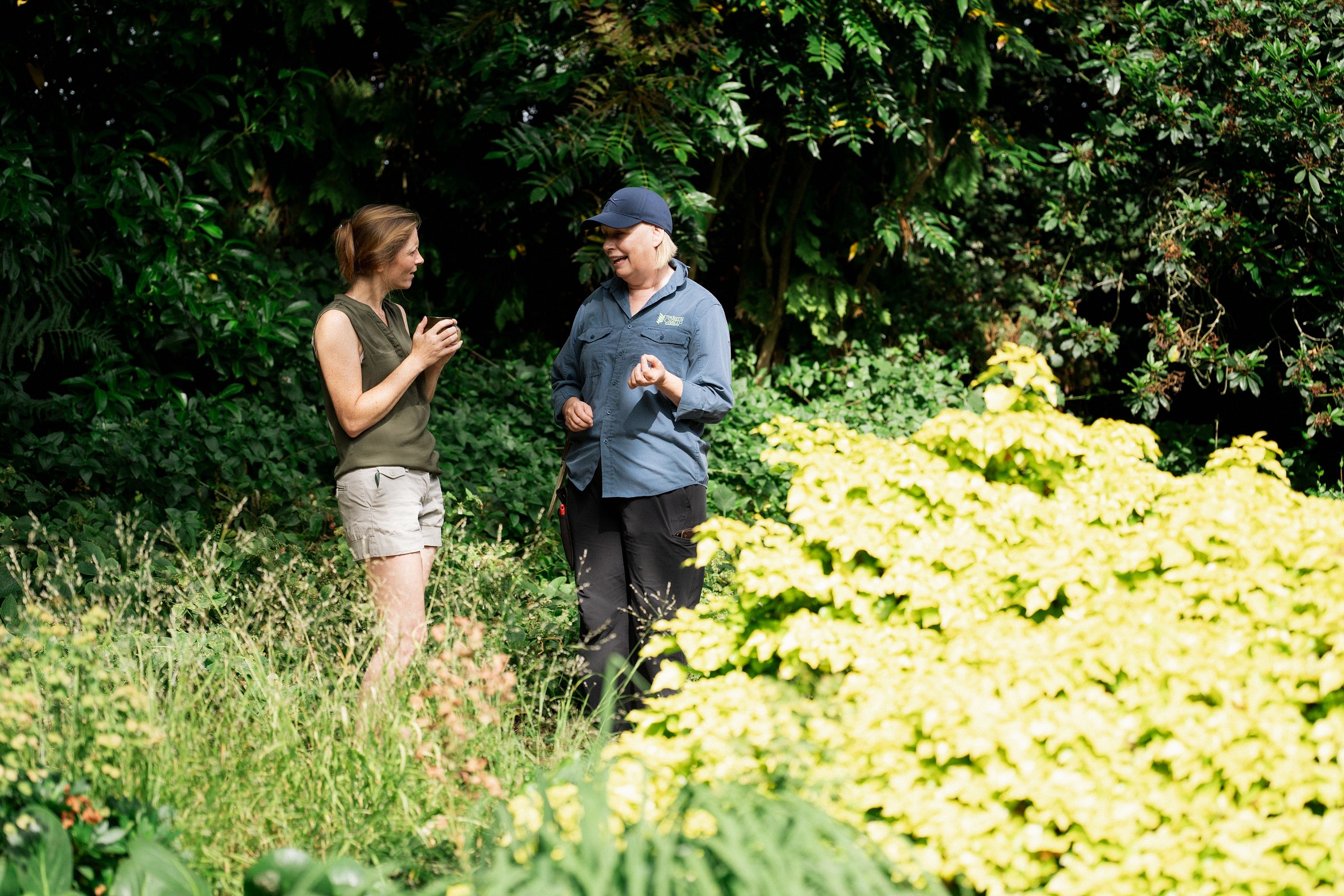
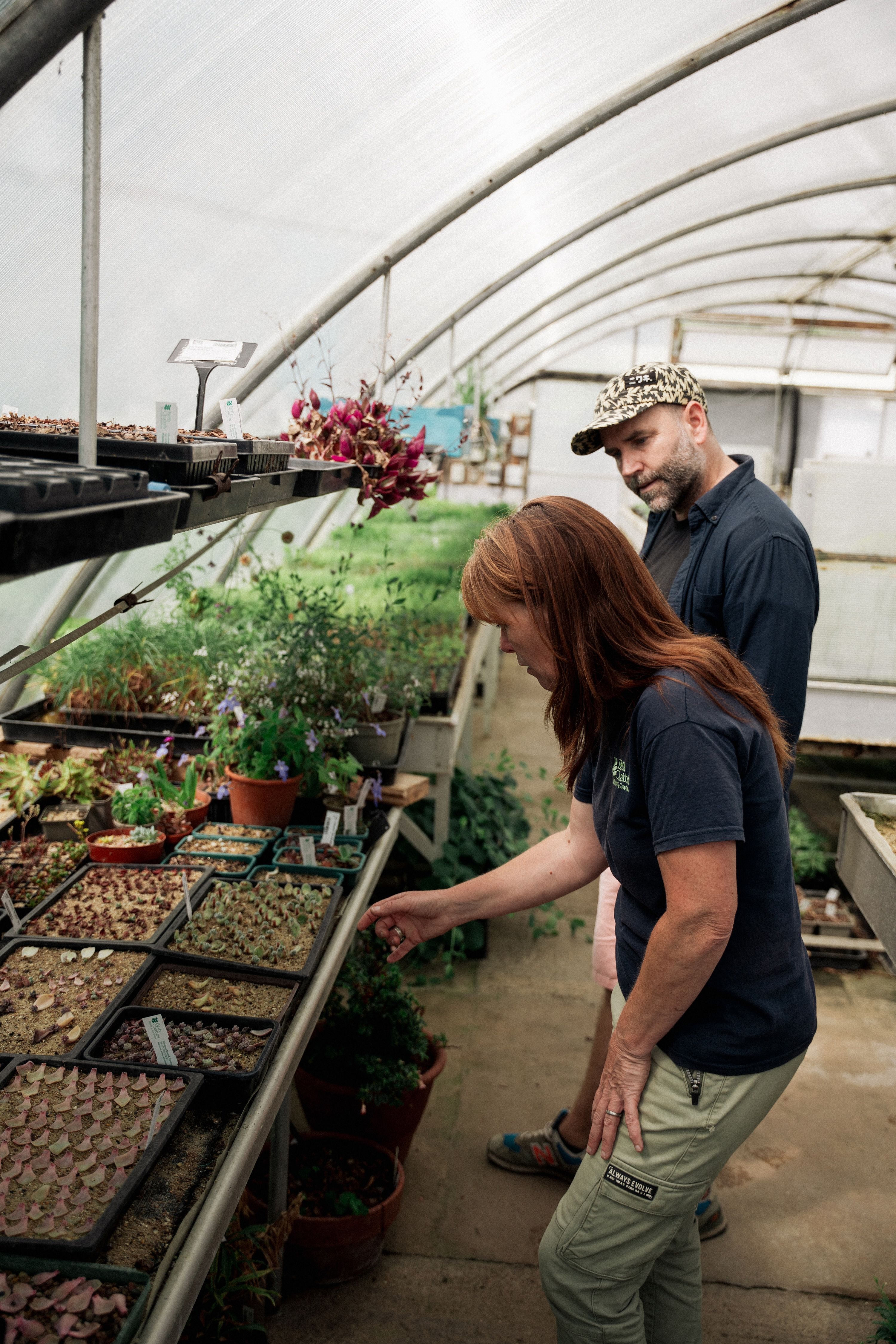
Emily Allard and John Warland at the Beth Chatto nursery
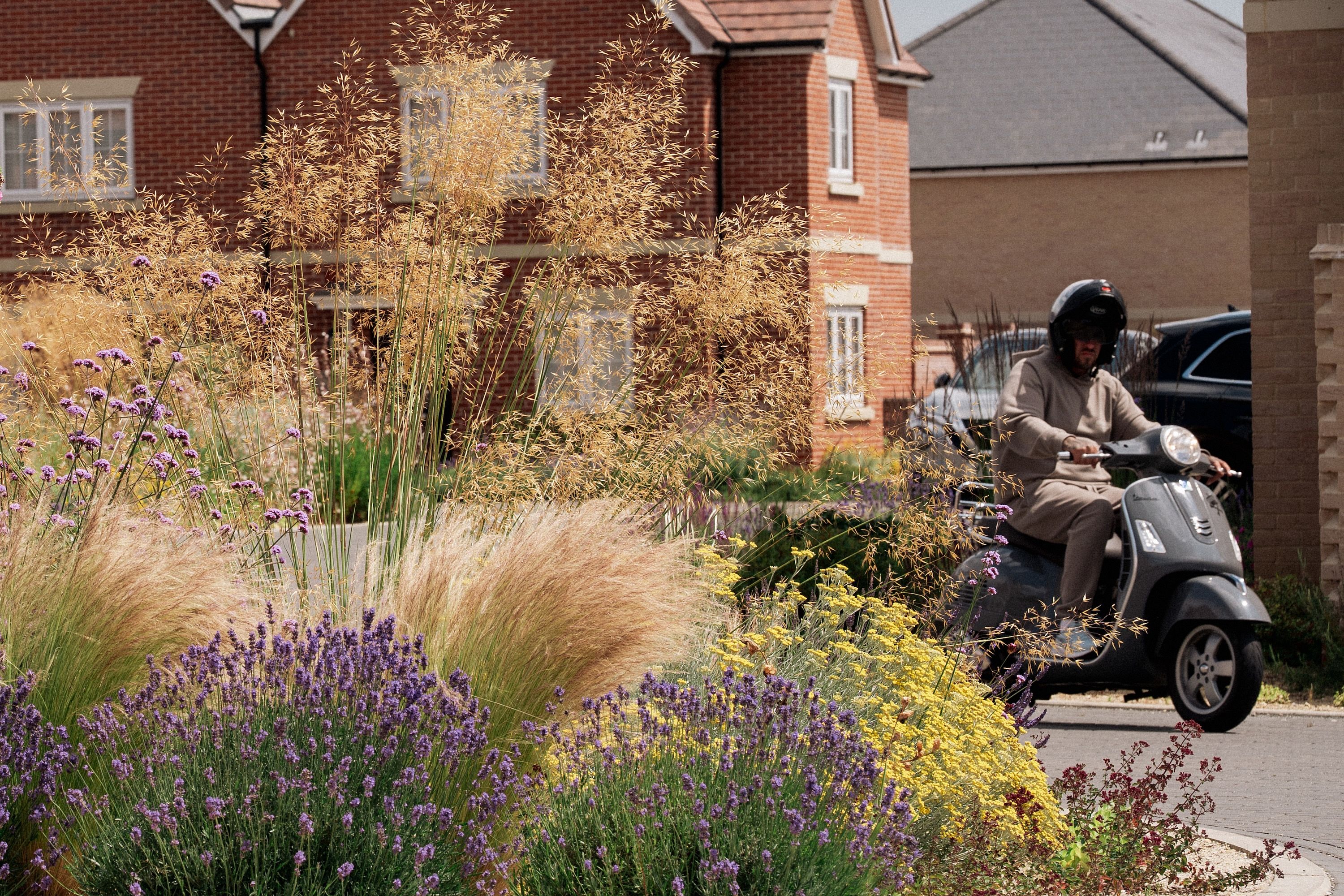
Chattowood housing development
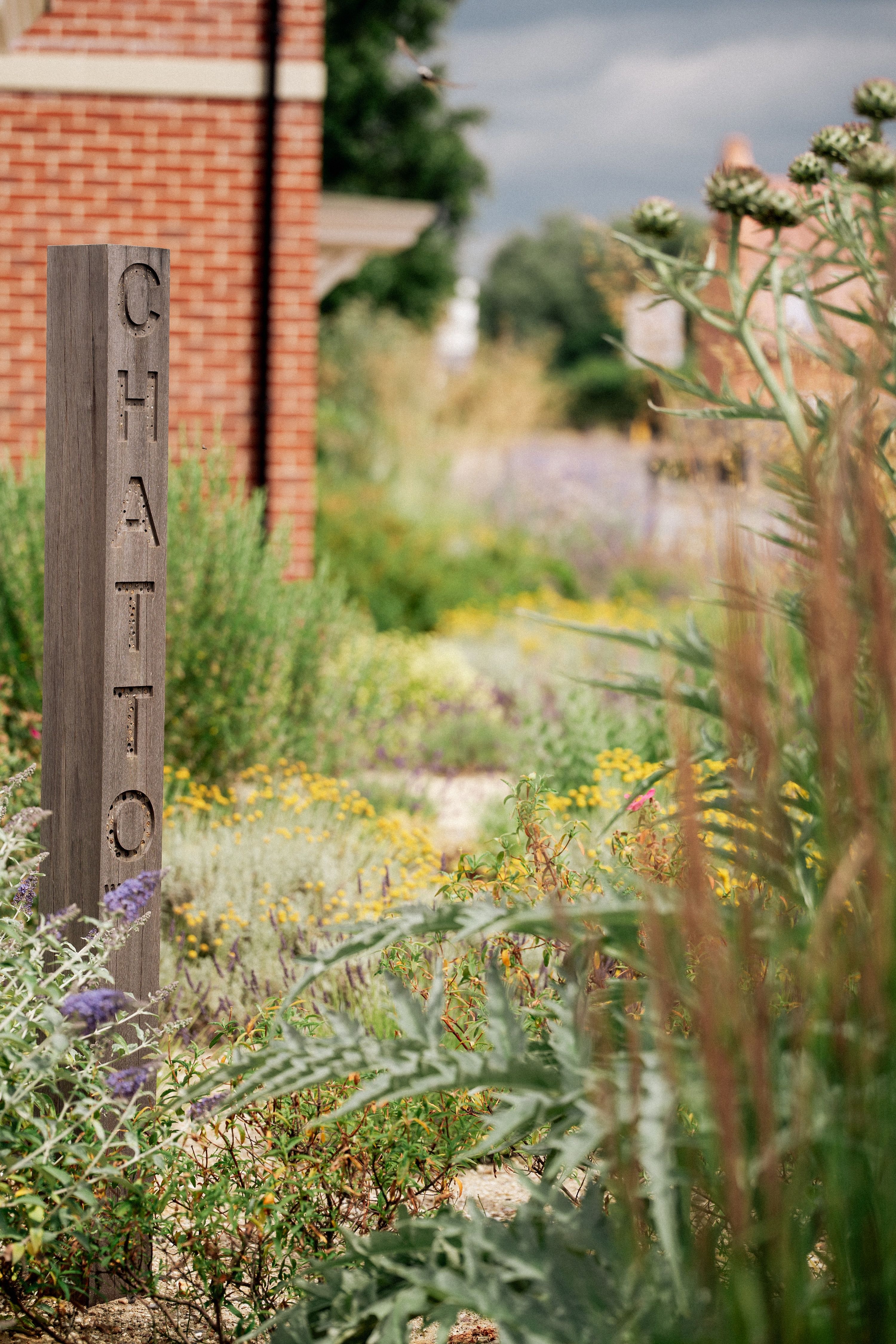
Chattowood housing development, featuring bee-friendly signage by John Little of Grass Roof Co. fame
Over the years Beth cultivated a loyal and dedicated team – including her granddaughter, Julia, who, together with her friend Jo, brought the pen-and-paper nursery into the 21st century.
Protected by historical status, the garden (and house) exist as a living museum, but Beth’s legacy and ‘right plant, right place’ philosophy made their way out into the world. In addition to an educational trust and symposium, the gardens have collaborated on several public space projects, turning new or previously unloved areas into biodiverse hubs that require little watering or maintenance.
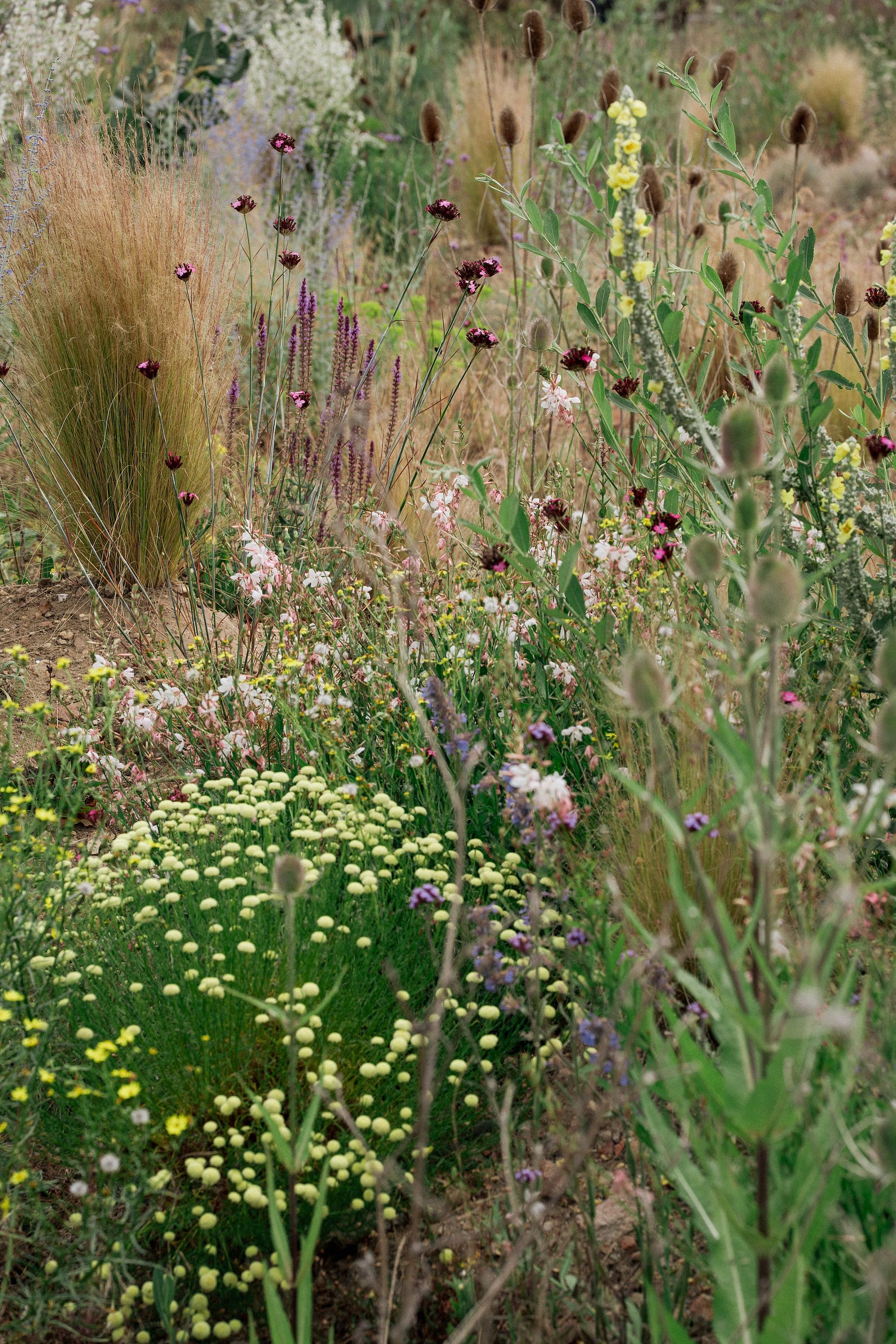
A prime example is Chattowood, a private housing estate established just down the road from the gardens (also featured in BBC Gardeners’ World, Episode 32, Nov 2025). When planning permission was granted, the team were asked whether the new development could be named in Beth and Andrew’s honour. They agreed – on the condition that they could contribute to the site’s planting and design, seeing the opportunity to demonstrate the benefits of Beth Chatto’s philosophy at scale and in a public setting. Inspired by Beth’s famous Gravel Garden – which hasn’t been watered in over 30 years – the team planted a variety of low-maintenance, drought-resistant, and insect-friendly species in locally sourced sand and gravel. Unlike nutrient-rich soil, this mixture makes it difficult for weeds to establish and helps retain water underground. This style of planting was ideal for the large, sunny area, which would otherwise take significant time (and water) to maintain, and provided a welcome treat for solitary bees that like to burrow and nest in these environments.
In fact, a 2025 insect survey found that the development attracted up to 20 times more pollinators than nearby gardens – an added benefit for residents, and a positive glimpse into a future where beautiful gardens enrich urban environments without draining resources.
To learn more about Beth and step into her extraordinary home, pick up a copy of Niwaki Field Report No. 2
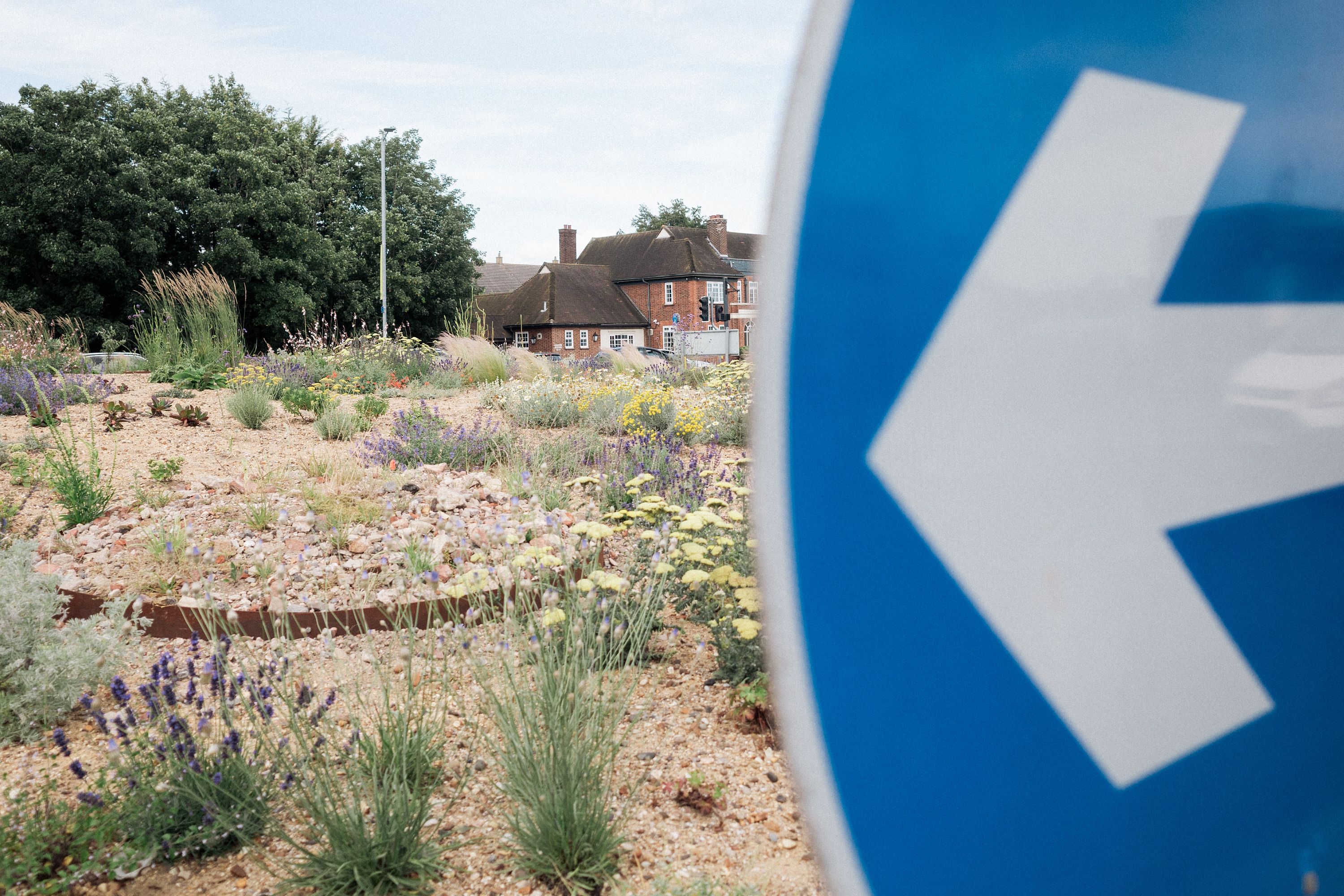
Albert roundabout, Colchester: another public planting success for Beth’s technique


