

Field Notes from the Pacific Northwest
If you picked up a copy of Niwaki Field Report No. 2, you’ll at least be familiar with the karesansui sand and stone garden at Portland Japanese Garden (USA): in fact, it’s the cover story.
If you’ve ventured one step further and read our good old-fashioned printed publication cover to cover (available here), you might remember the gist of the article: we did our best to examine the reasons why Portland Japanese Garden – many thousands of miles from Japan – is such a success, feeling as authentic and appropriate to its landscape as any homegrown Japanese garden.
A lot of that has to do with the wonderful gardeners who established the space, the spirit in which the venture was undertaken and, hugely significantly, the current leadership of Hugo Torii and his committed team of niwashi.
In addition to these critical influences, there’s the landscape, weather and flora of Oregon and nearby Washington State, which frame the space – priming visitors and gardeners alike for their encounter with the garden and (in ways that will hopefully become clear when you read the article) offering many parallels – perhaps even analogies – with the Japanese relationship to the natural world that underpins the foundations of Japanese garden design.
It’s a lot to think about, and a few times on the trip I worried that I’d bitten off more than I could chew. Before I’d even visited the Pacific Northwest, I got caught up making wild generalisations about the differences between Eastern and Western responses to the natural world and, in more manic moments, tried to synthesise all sorts of big ideas – from Manifest Destiny to Shinto and the sublime. It wasn’t wasted time, but I ended up with a million browser tabs open, books strewn across the desk and a serious migraine.
Luckily, thanks to the generosity and insight of the team at Portland Japanese Garden – combined with a healthy amount of time spent peacefully enjoying the garden – the article came together better than I could have hoped.
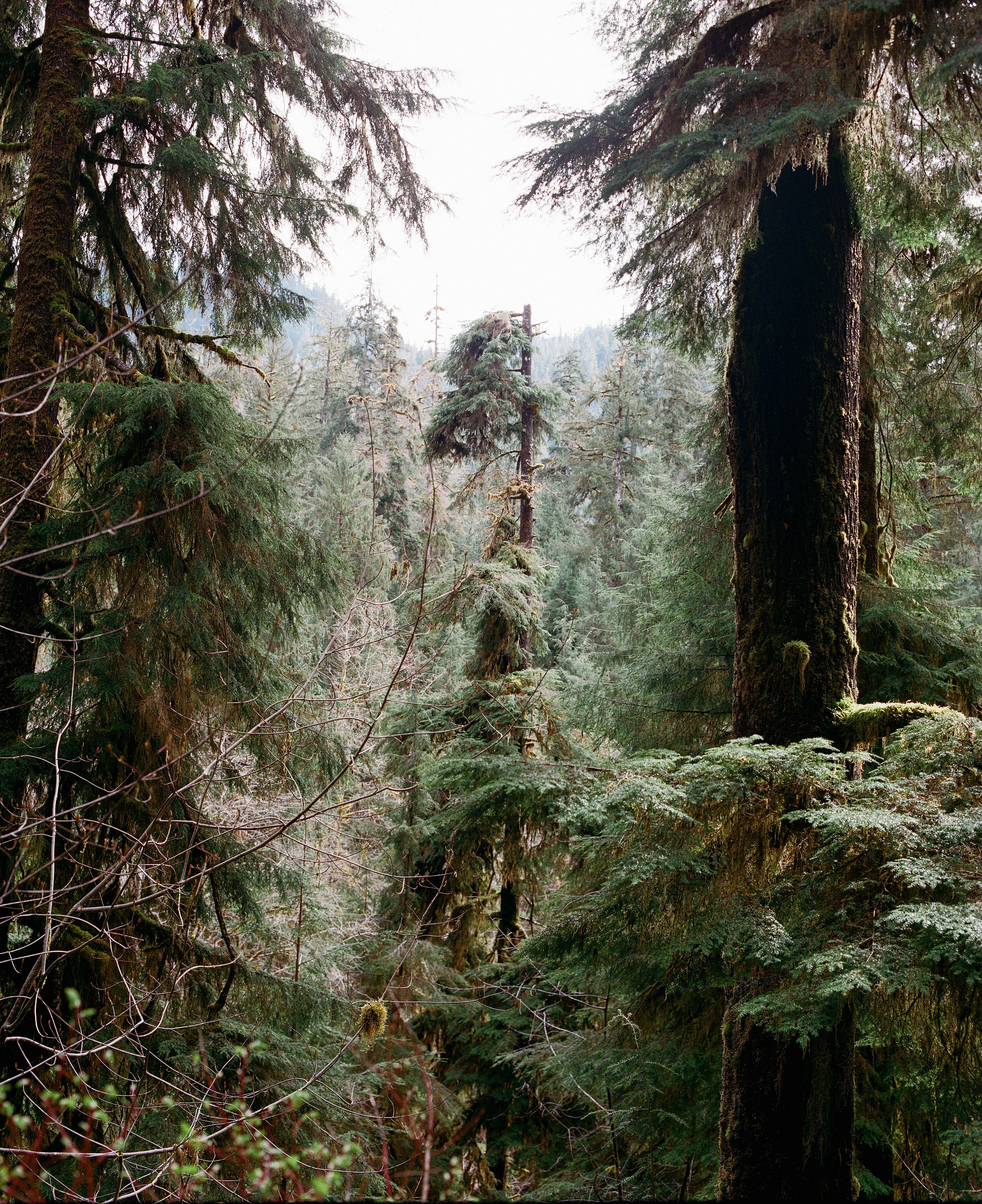
But the other thing that really helped unlock my understanding of the garden, and appreciate what it is like to live in the shadow of such vast, overpowering wilderness, was a journey, tacked on at the end of my trip, to the wild Pacific coastline and nearby temperate rainforests of Olympic National Park. A few of the photos from that leg of the trip crept into the article, but for lovers of trees, moss, ferns, moss, lichens, moss, slugs and more moss, here are some photos and accompanying field notes that didn’t make the cut, but which we hope will add an extra dimension to the printed story. Click to expand any picture.
Photos and words by
Alex Edouard
Editor: Niwaki Field Report
–––
*well 4.5 hours, but it’s a big country.
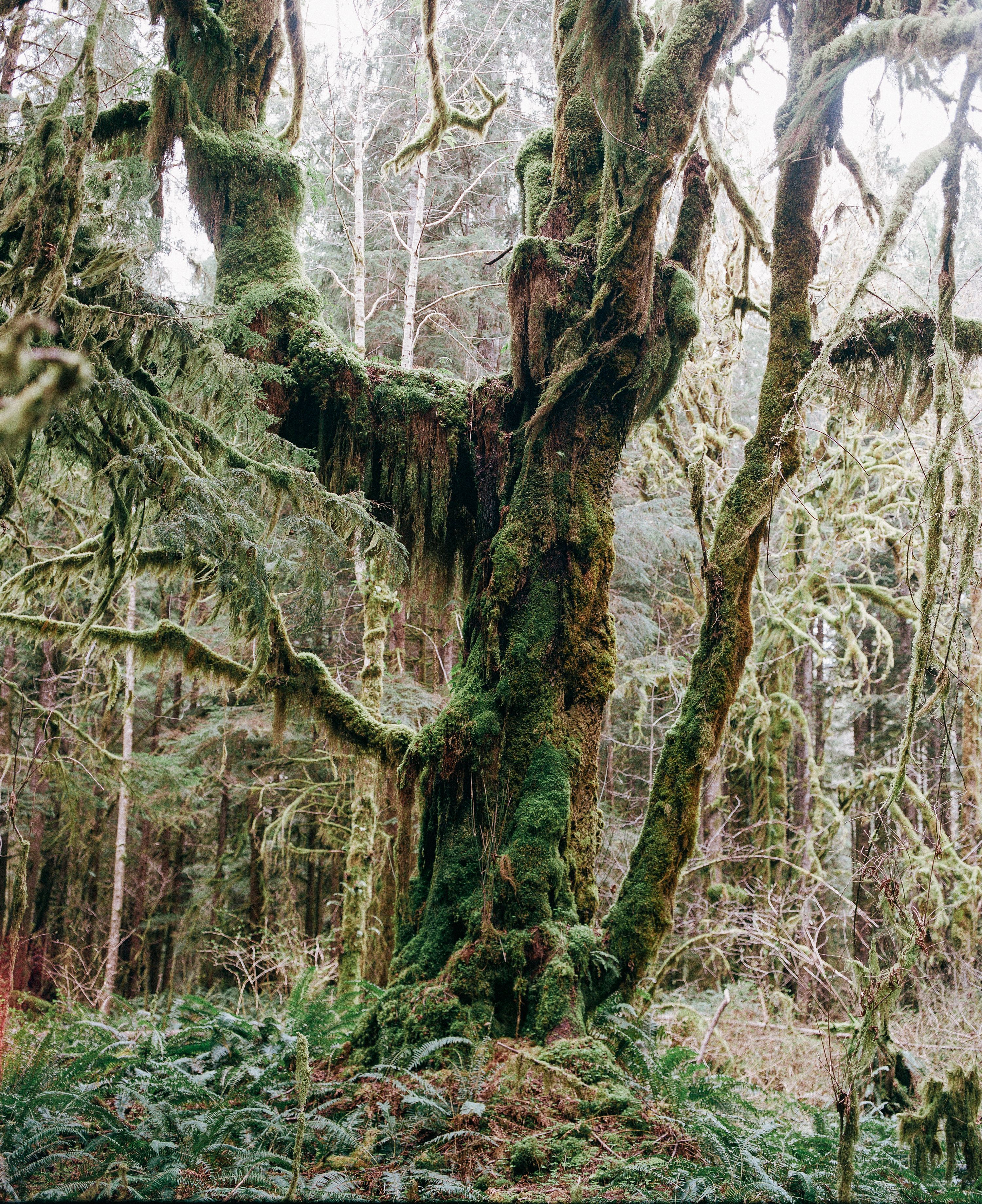
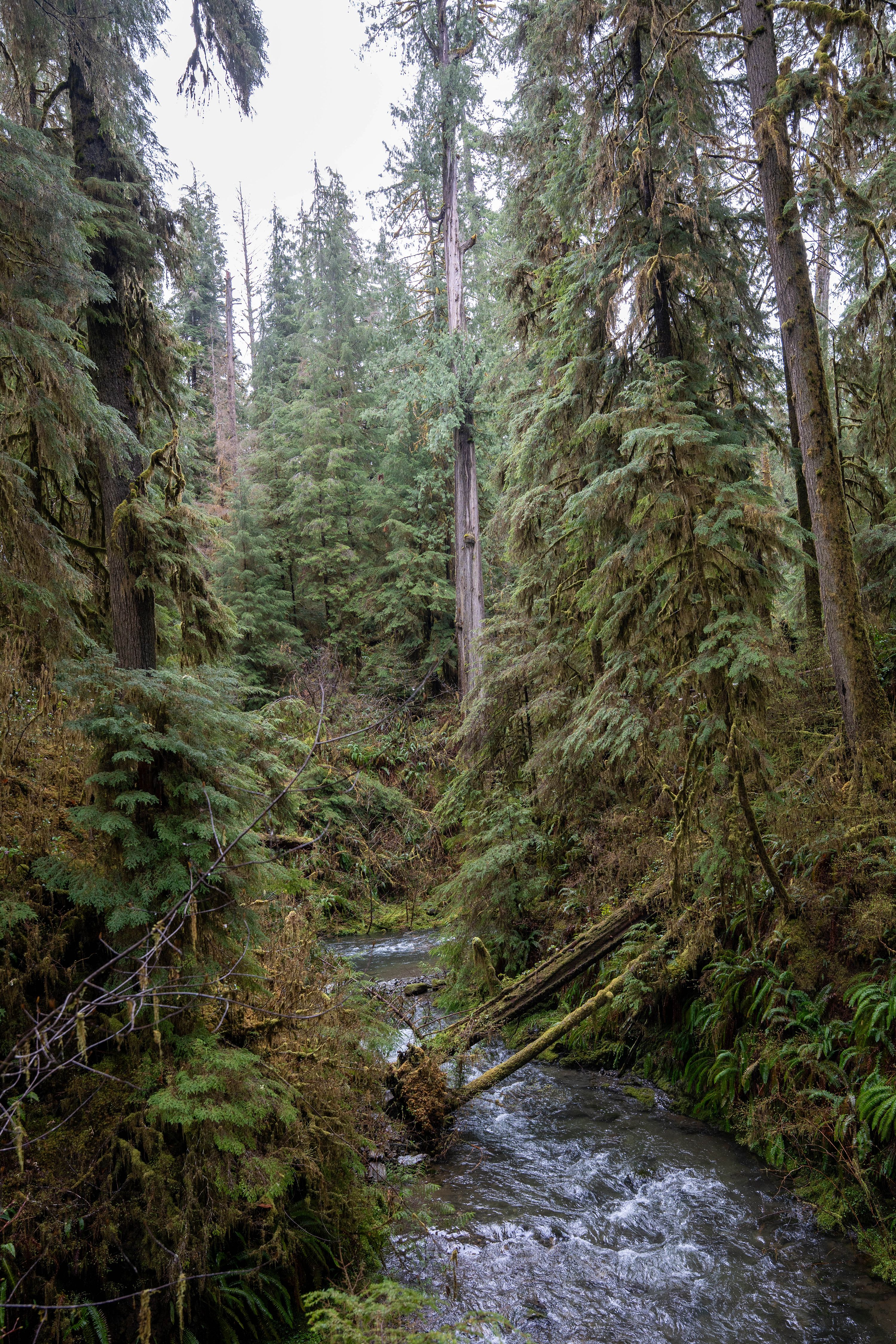
The gardeners at Portland Japanese Garden talked about finding inspiration in the destructive forces of nature. In the depths of the old growth forests destruction and regeneration are in a constant state of flux.
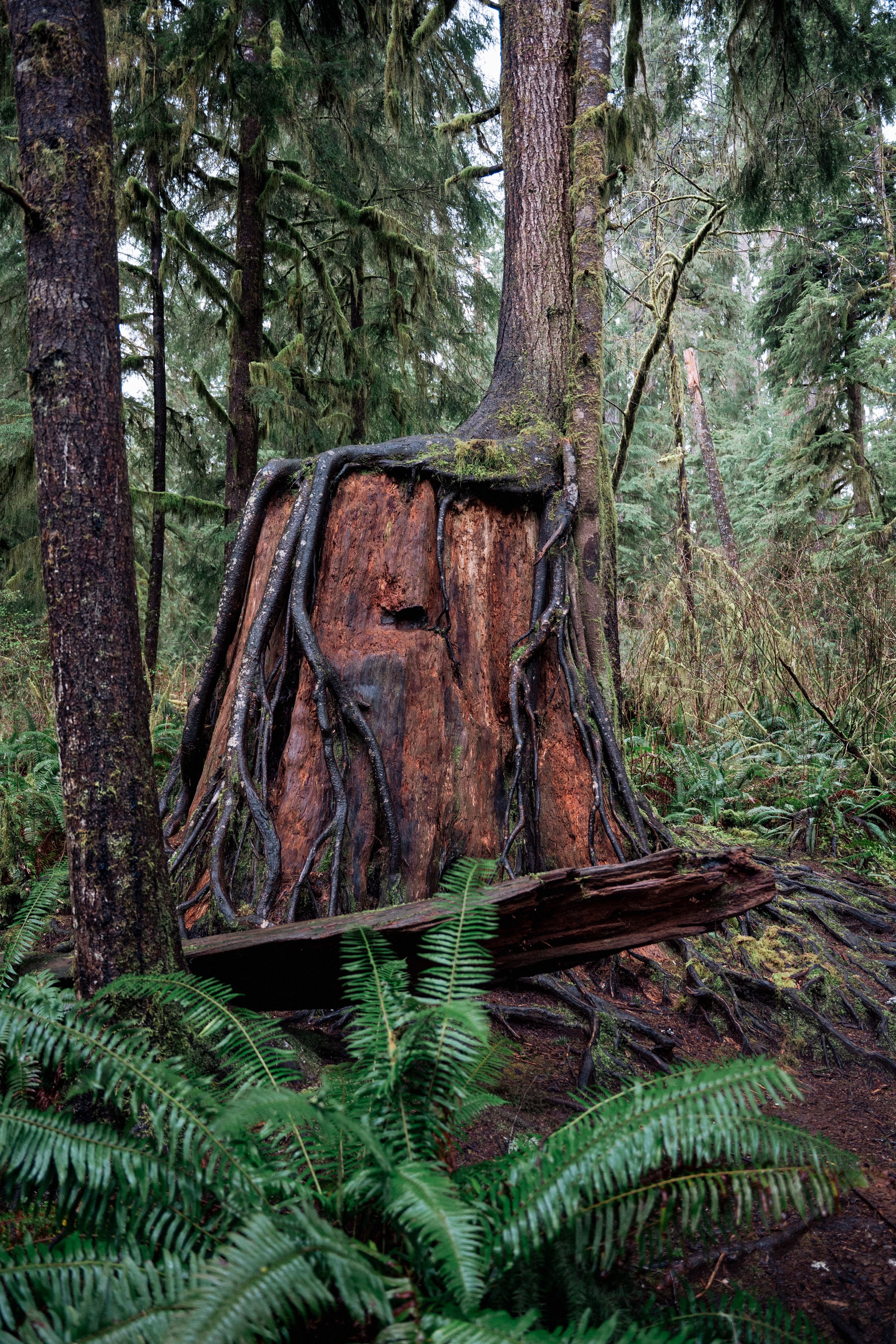
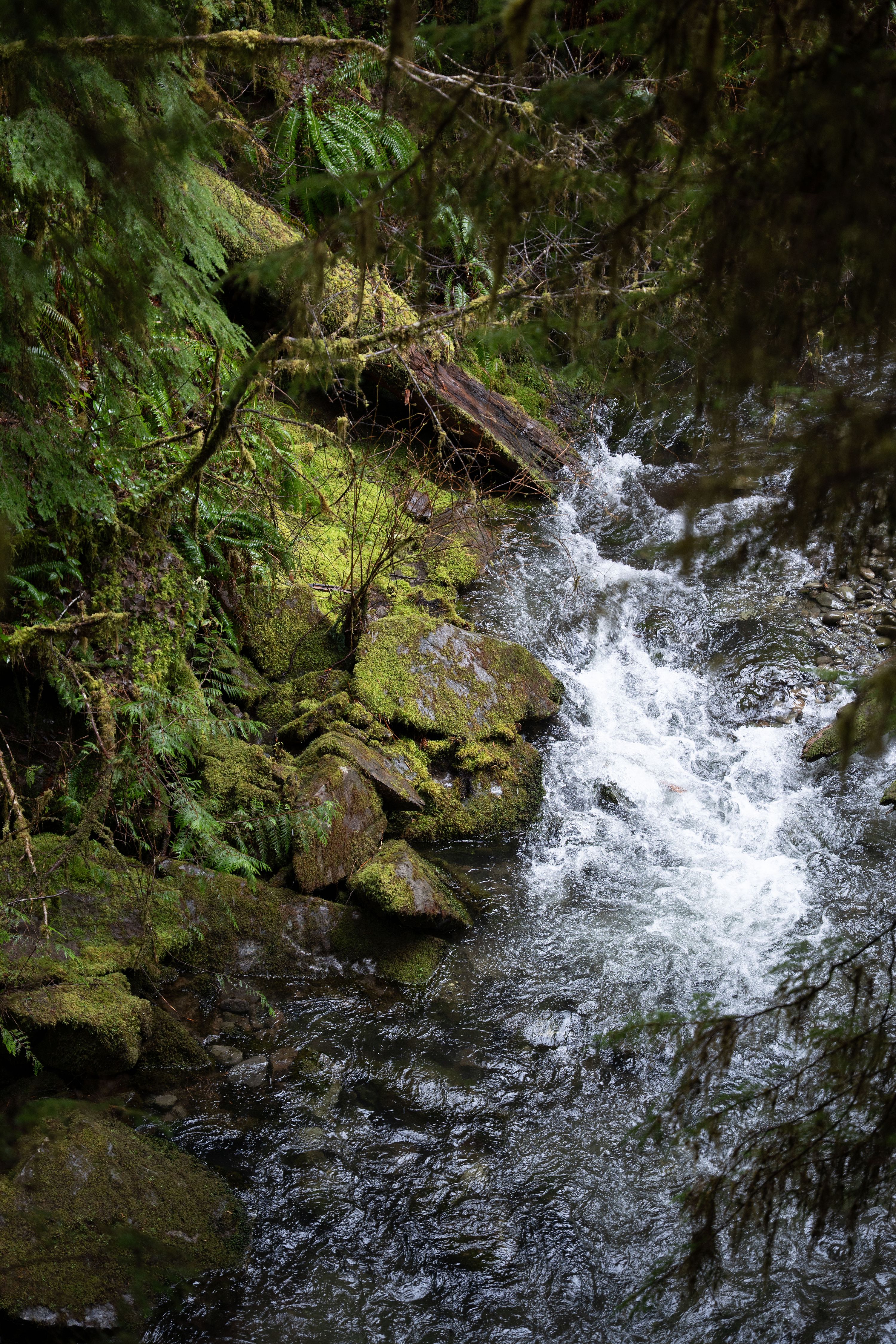
Authentic details in the garden stemmed from close observation of the smallest of details, for example the way moss and stones react to fast flowing water.
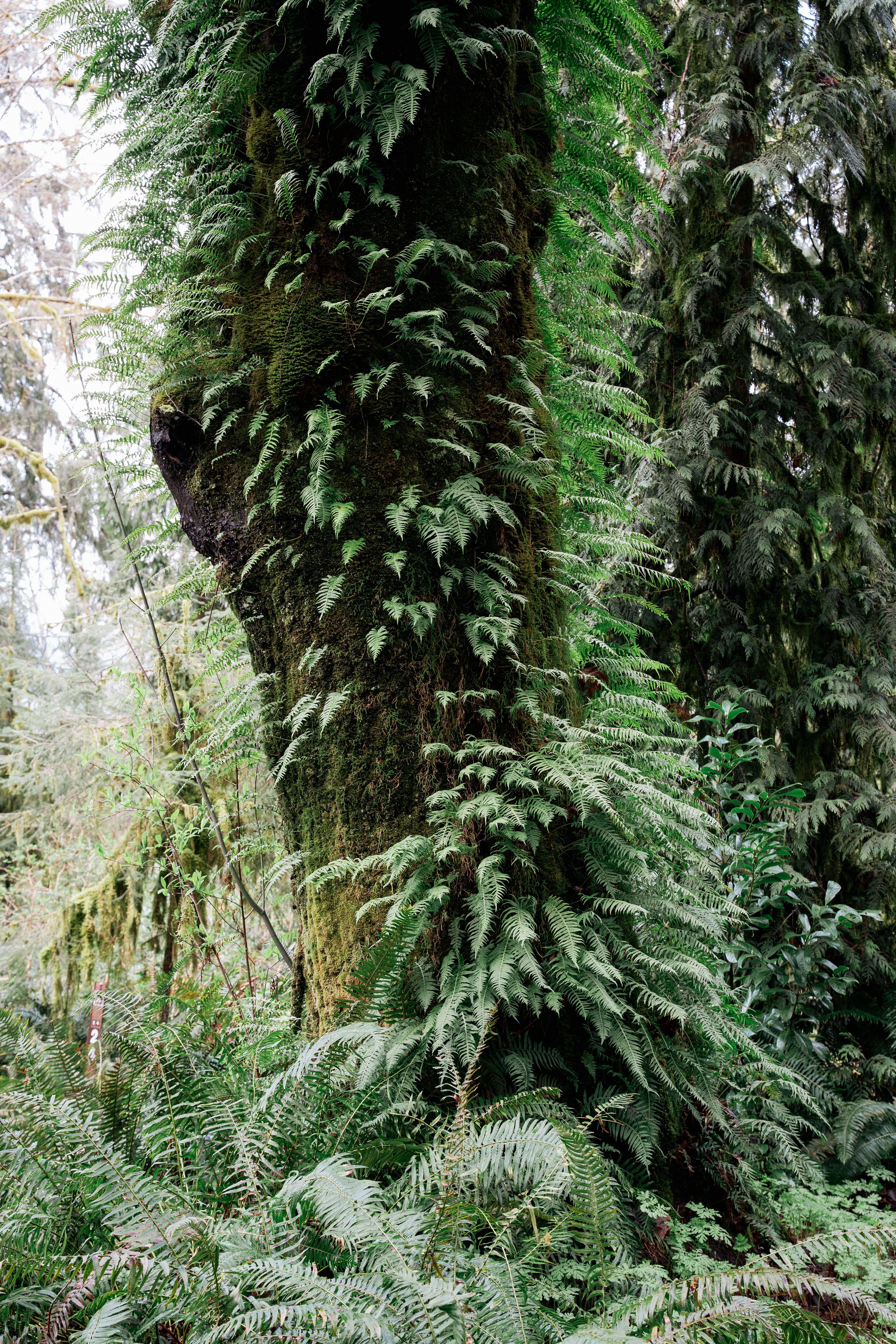
One of the ways to tell you’re in a rainforest is to note the abundance of epiphytes: plants growing non-parasitically on other plants and trees. Pretty sure this qualifies.
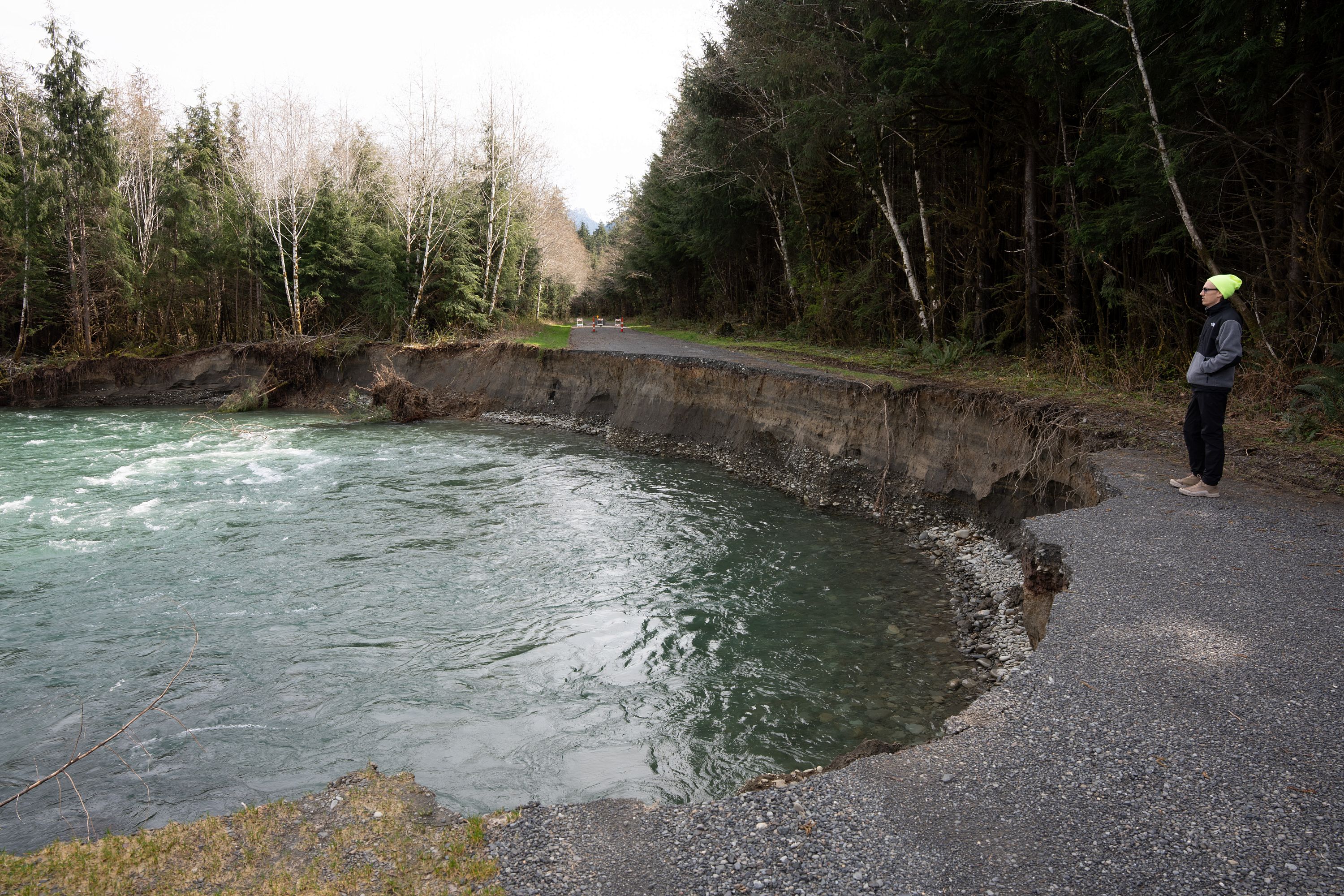
A little taste of the destructive force of nature: this washed out road puts the current national pothole obsession into perspective.
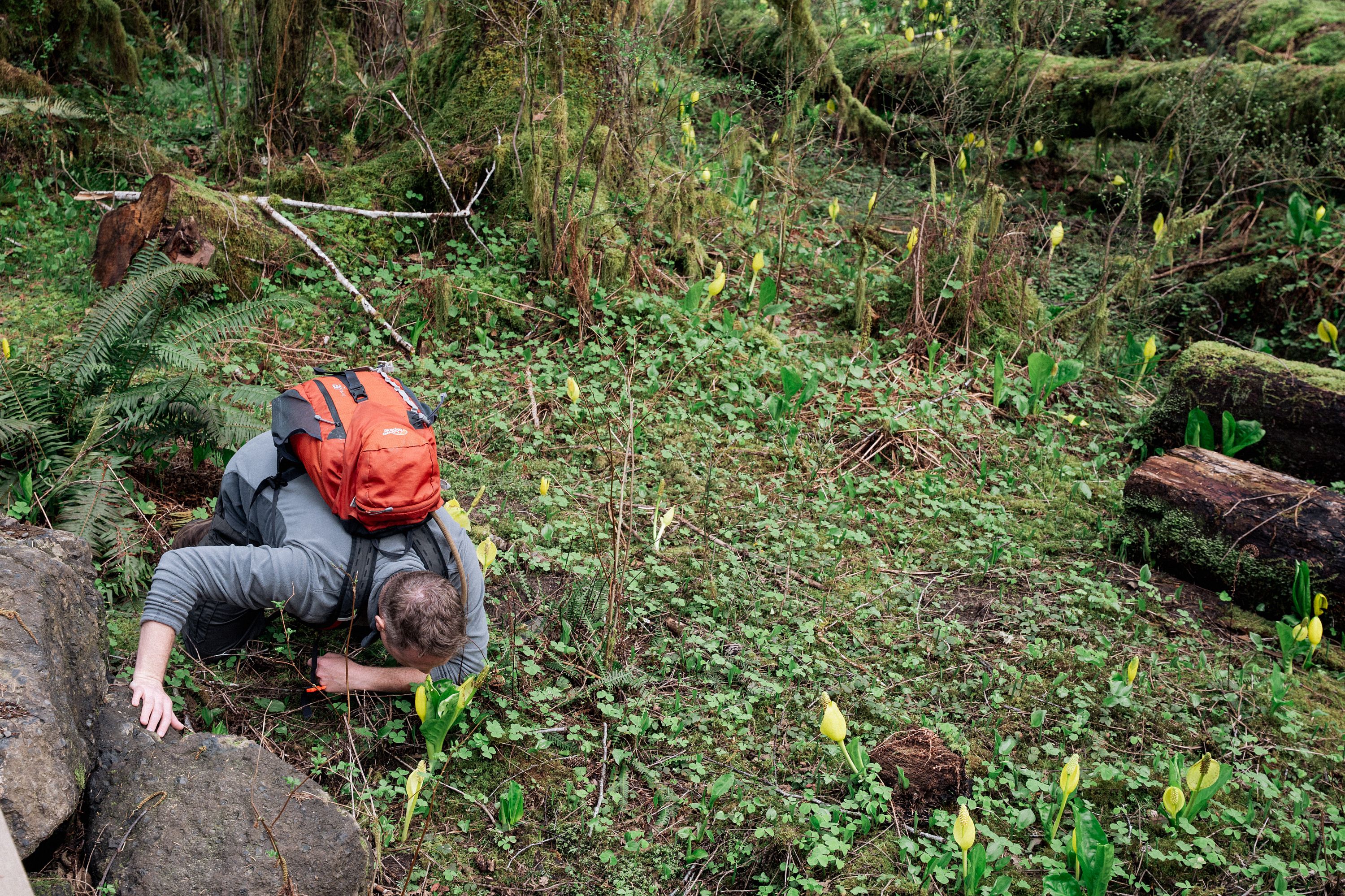
Stopping to smell the flowers (skunk cabbages).
Stopping to smell the skunk cabbages. This is the Western skunk cabbage / Lysichiton americanus, sometimes known as a swamp lantern, and we can confirm it does not smell good. It’s considered invasive in the UK, so don’t get any ideas. Across the other side of the continent you’ll find the not especially closely-related Eastern skunk cabbage / Symplocarpus foetidus –another Arum which, through cyanide-resistant respiration, creates heat to melt the snow and give it an early start in spring. We didn’t find those, but this stinker does at least herald the start of spring (this photo was taken in March 2025).
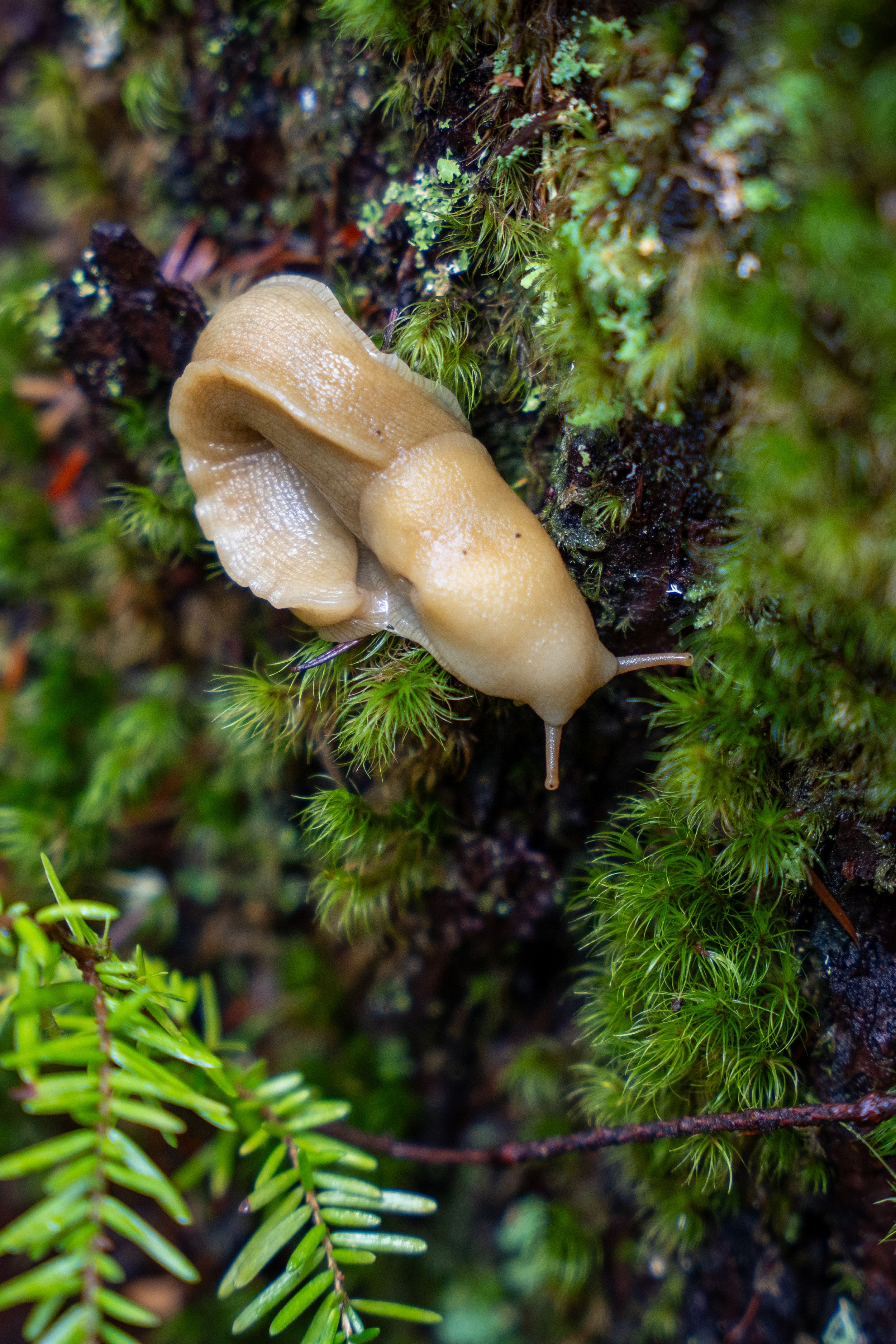
Banana slugs act as vital guardians of the redwood forest, specifically aiding in the survival of redwood saplings. They consume competing fungi and plants that could otherwise stunt or kill the young trees and clean up the forest floor, allowing redwoods to thrive. In return, the huge forests provide the sort of conditions the slugs enjoy: very moist and quite dark.
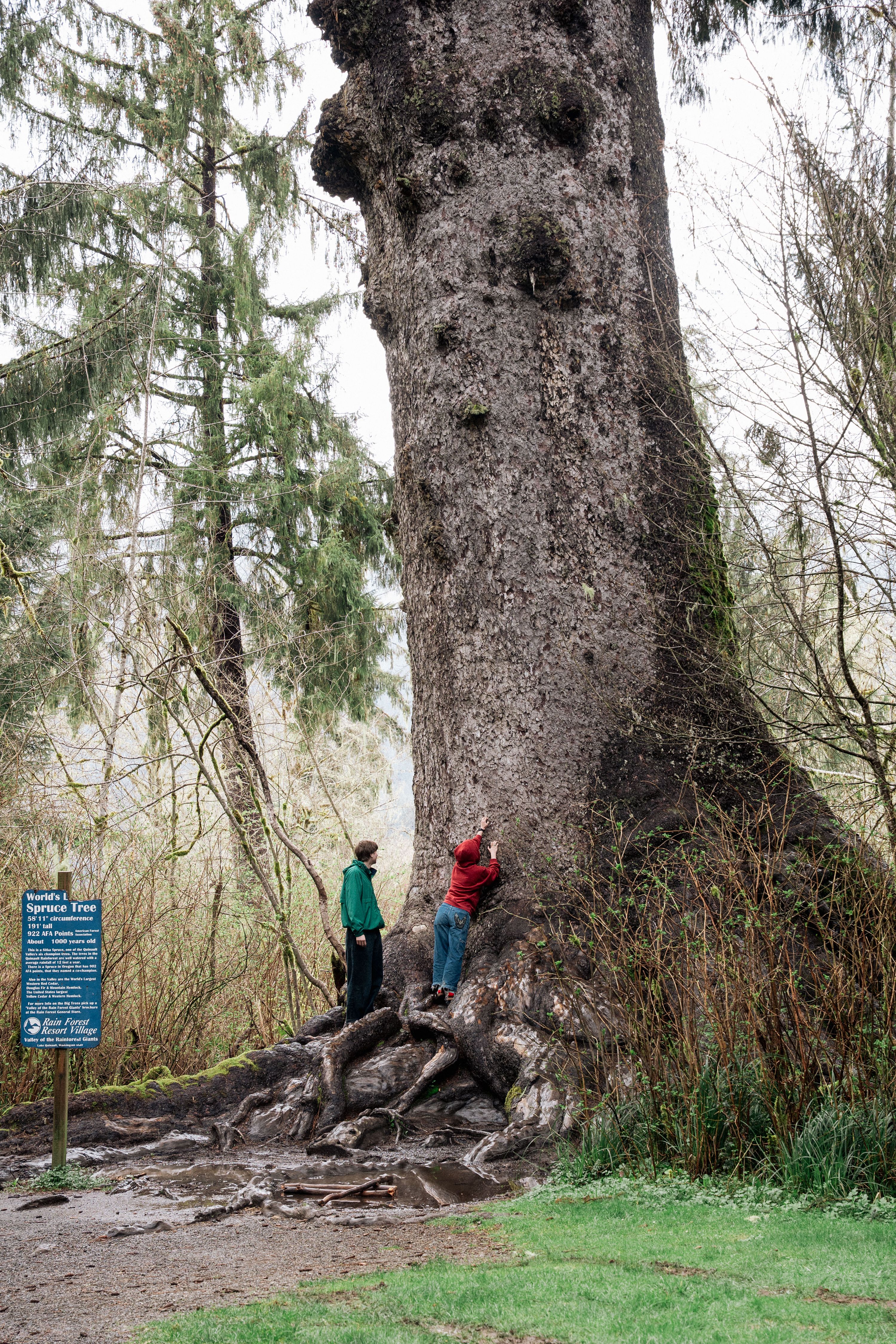
World’s largest spruce tree, with tourists for scale. While there are no trees quite this vast in the ground of Portland Japanese Garden, they do compete and content with the established Douglas firs and spruces that frame and delineate the garden.
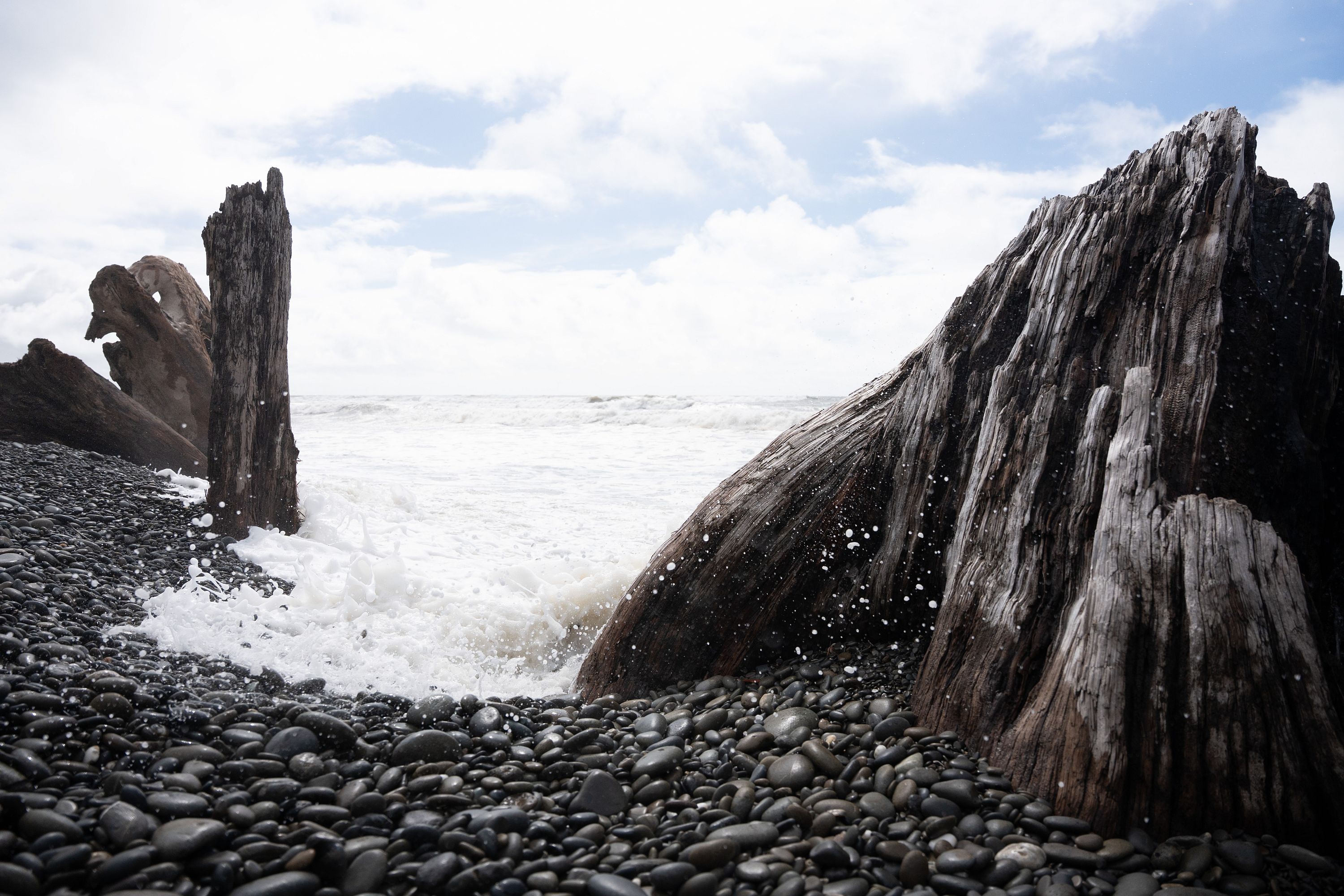
Ancient tree stumps slowly being claimed by the Pacific.
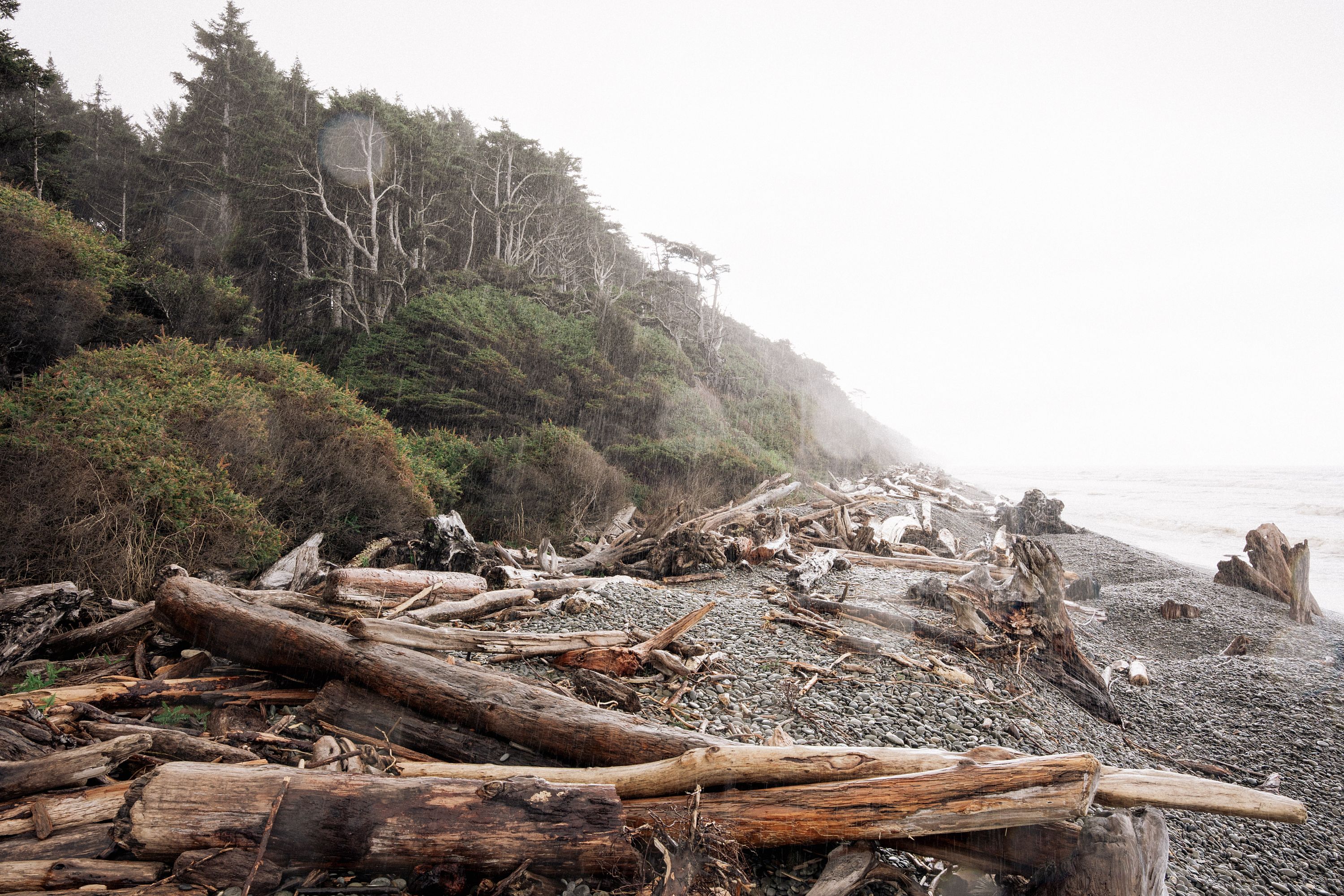
At the prosaically named “Beach 2", the Pacific tosses huge redwood logs like kindling.
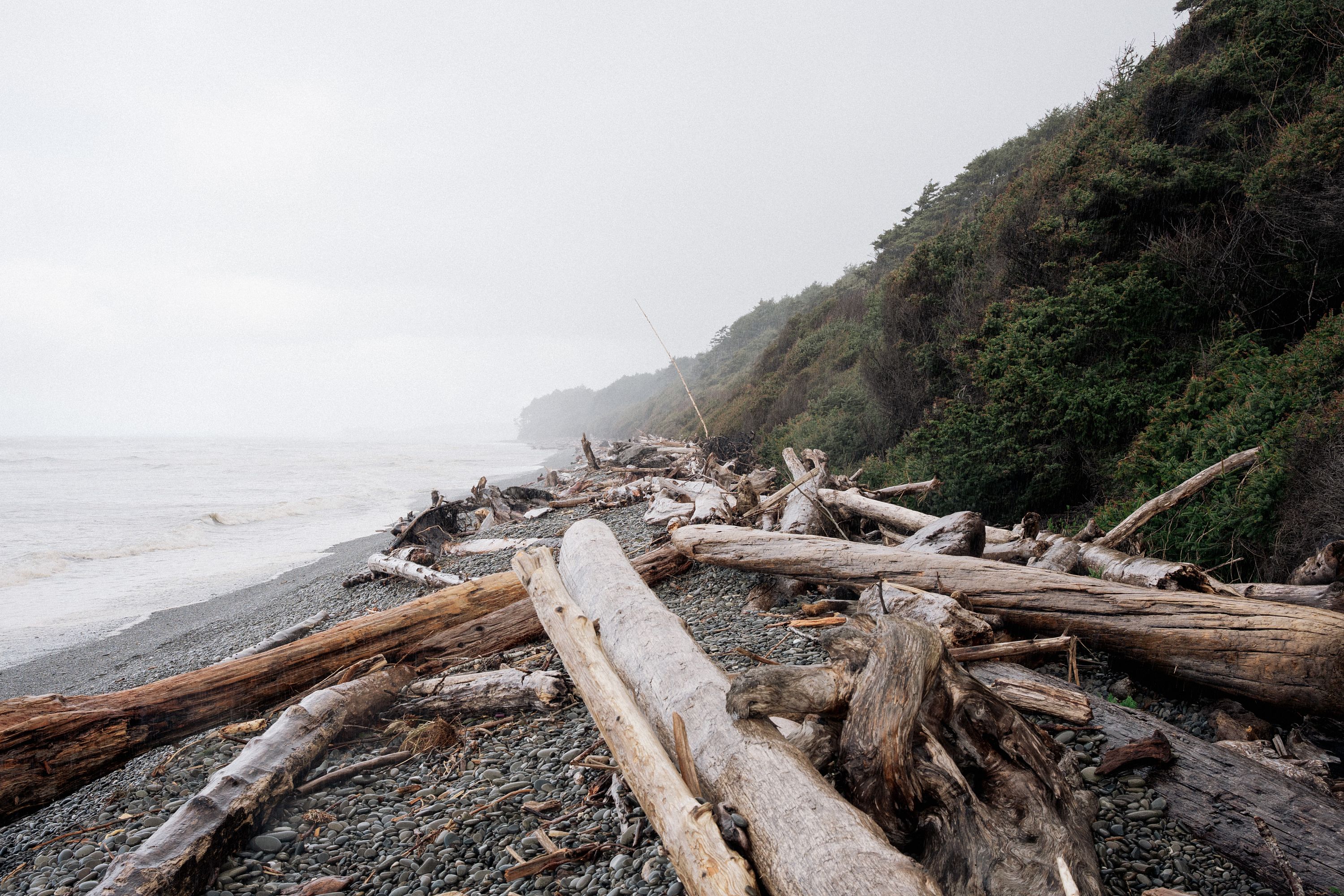
To add to the sense of nature having the upper hand, there are tsunami warnings signs to heed and foraging bears to look out for.
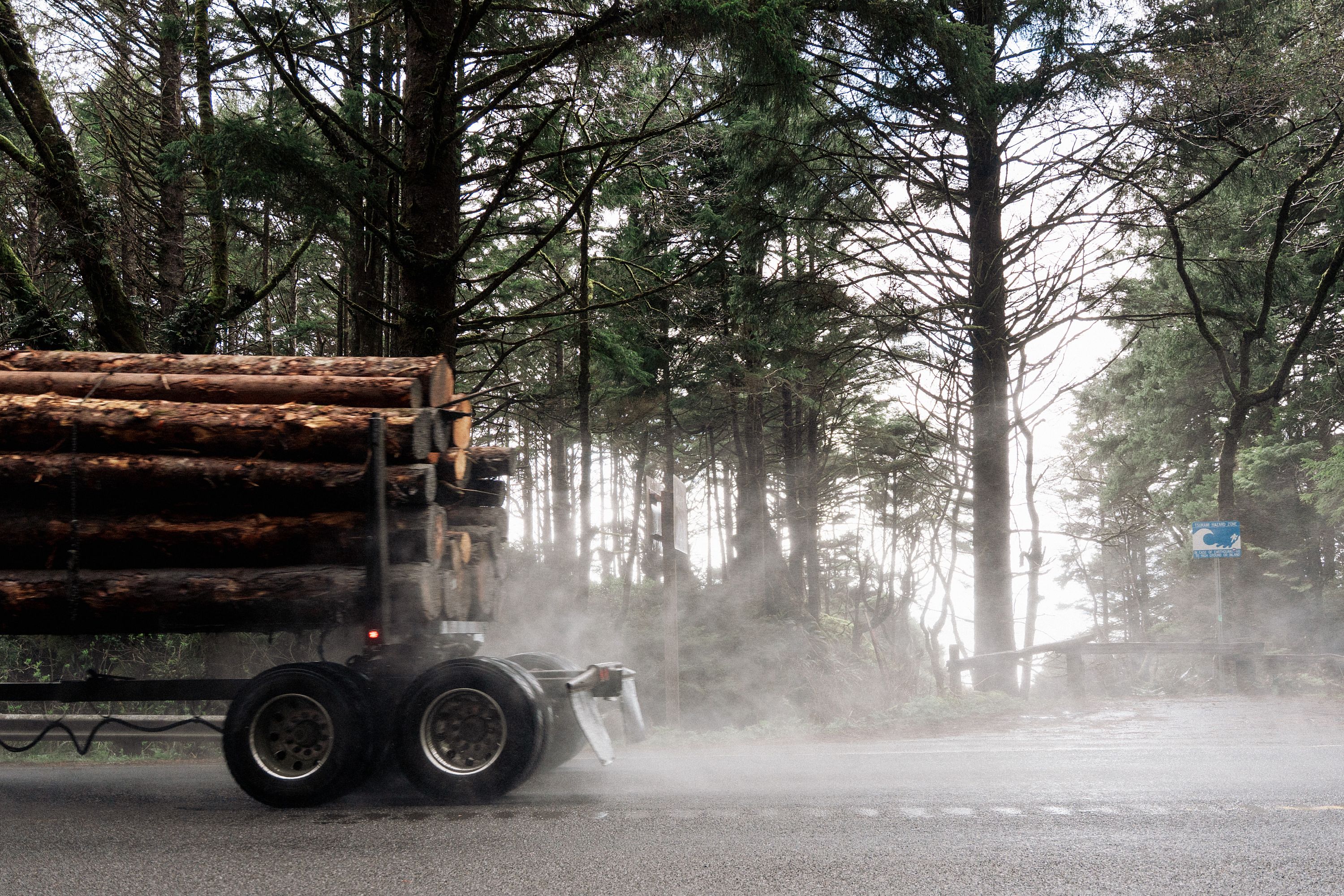
A steady stream of timber trucks carry wood out of the forests along the coastal road. NB tsunami warning sign.
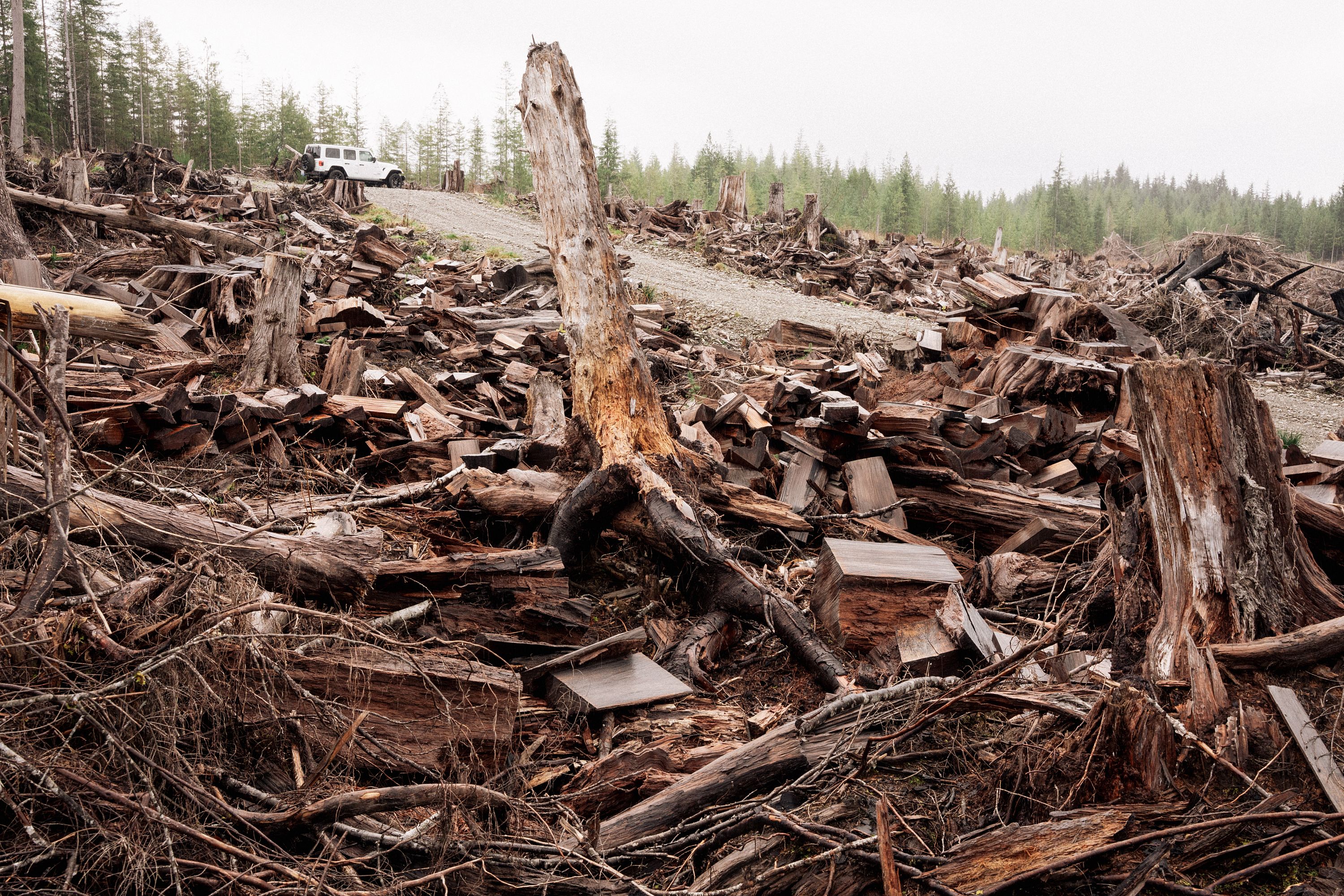
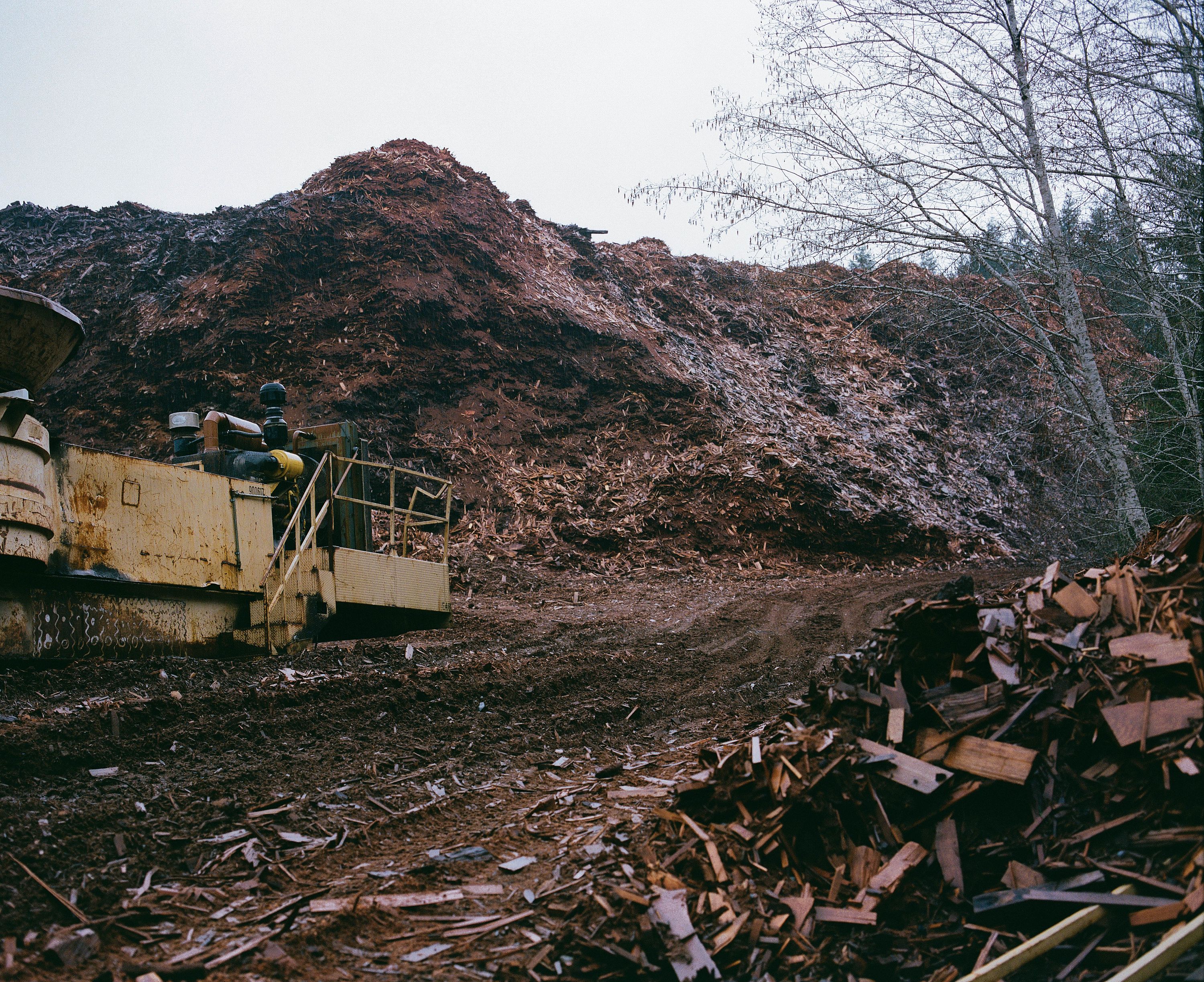
Venturing away from the protected areas, you come across huge slash piles and chipping operations, producing landscaping bark destined for garden centres across the country.

Left to its own devices, the destructive forces of nature create harmony and balance (literally in this case) that offer inspiration for all sorts of gardening pursuits, from bonsai shaping to cloud pruning.
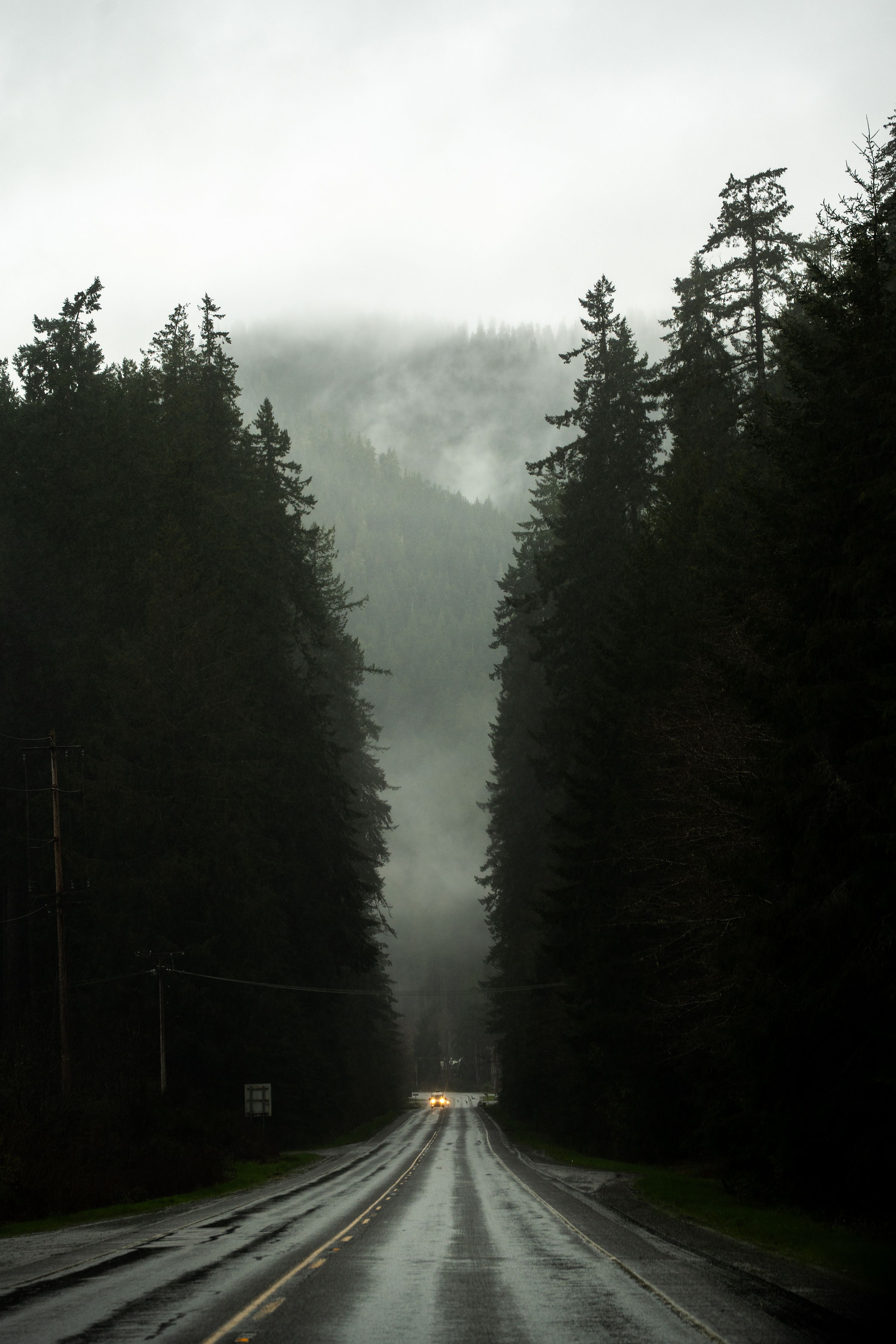
Was it my overactive mind or was there an air of menace on these lonely forest roads?
Twin Peaks was set in a fictional town very near here, and in real life an astonishingly large number of serial killers, from Ted Bundy to the Werewolf Butcher of Spokane, grew up or operated in this region. Some have speculated it was the effect of air pollution from metal smelting – pumping lead, sulphur dioxide, arsenic, barium and cyanide into the air – that was to blame.
Others suggest the awesome landscape itself affects people in strange ways. This place is an extreme example, but can a garden respond in some way to the genus loci – the spirit – of a place? Japanese gardens certainly recognise and respond to the influence of the world beyond the garden walls and accept the presence of nature spirits – kami – as perfectly normal.
Thanks for looking – now go and read the Niwaki Field Report!

Click here to order your copy of Niwaki Field Report No. 2, then find a nice stream to lie down next to and enjoy articles on Beth Chatto, Portland Japanese Garden, the hunt for the perfect mountain shrine and pine pruning in Edogawa, plus much more.