
Friend of Niwaki, Evan Cordes (lead gardener at Portland Japanese Garden, whom we were glad to get to know when we visited for Niwaki Field Report No. 2) recently had the pleasure of attending the Kokufu-ten.
In case you don’t know, Kokufu-ten is the leading bonsai show in Japan, and 2026 was an extra special year, coinciding with the exhibition’s 100th anniversary.
Kind enough to share his good fortune and his enthusiasm for these spectacular trees, Evan sent us photos and highlights from his trip, including a visit to Shinji Suzuki’s nursery and the Omiya Bonsai Art Museum. Over to you, Evan!
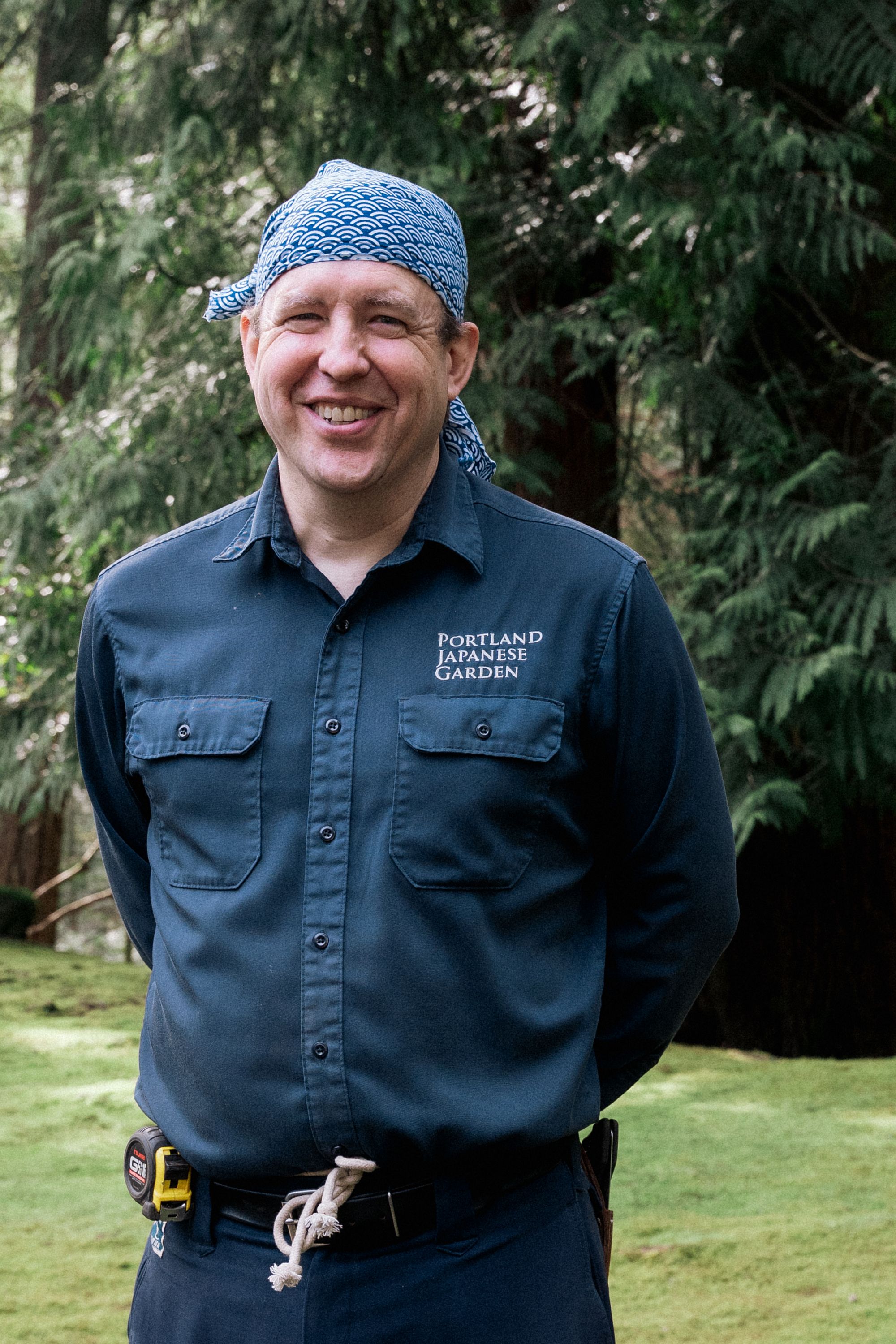
Evan Cordes, Lead Gardener Portland Japanese Garden
“Visiting the Kokufu-ten bonsai show wasn’t on my radar until my coworker, bonsai sensei, and friend, Michael Hagedorn, said he would be attending and going to Japan for the first time in ten years. The chance to visit Kokufu-ten as well as Shinji Suzuki’s nursery with Michael where he did his apprenticeship, was too good to pass up.
That’s how I found myself in Tokyo this February on my first trip to Japan. It was during a rare snowfall that I got a crash course in konbini breakfasts, learned myriad Metro lines, met many great bonsai practitioners, and had my breath taken away by trees over and over again.
Bonsai artists and tree fanatics filled the Tokyo Metropolitan Art Museum space hosting this year’s Kokufu-ten. This show started in 1934, and is the premier bonsai show in the world, showcasing hundreds of trees over two weekends.”
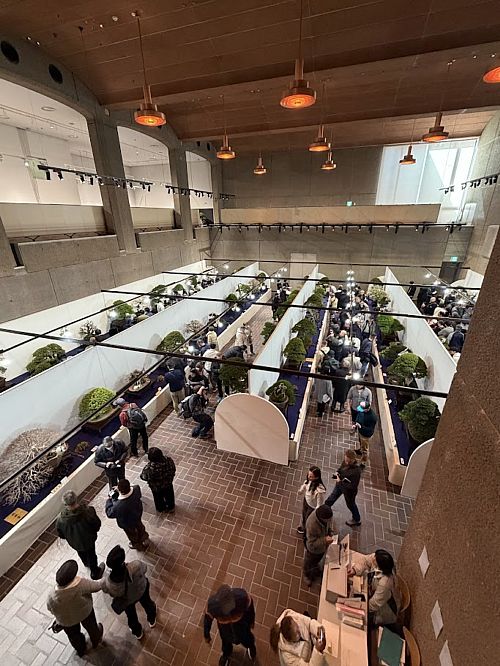
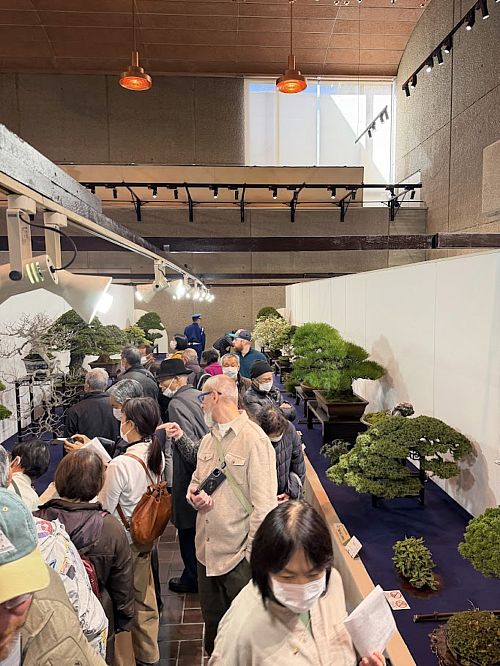
Bonsai artists and tree fanatics at Tokyo Metropolitan Art Museum

“This 100th anniversary year brought with it an amazing selection of trees of the highest grade. There was a quiet excitement in the room when we arrived a day into the show. Still as crowded as a metro train, the space was packed full with people manoeuvring to take photos of their favourite trees and displays.
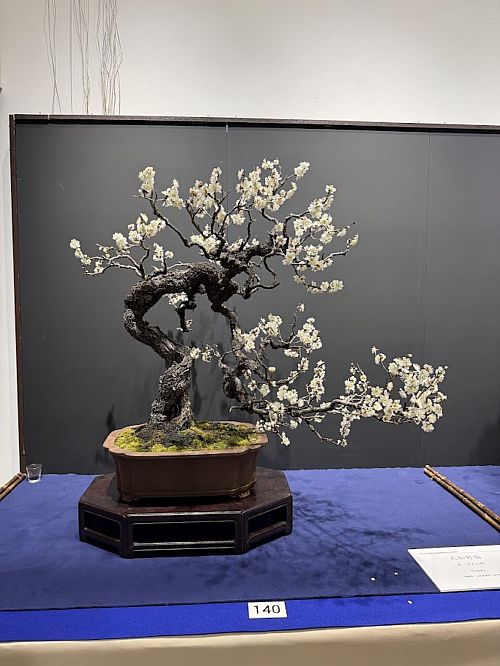
Prunus mume (Japanese apricot) captured my heart on this trip. The timing of the show is when so much ume is wonderfully flowering in Tokyo parks, at temples and shrines, and all around. And in bonsai pots, we’re seeing the beautiful flowers against the dark, hollowed-out (uro) trunks. There was even a rare, upright mume in the 2nd half of the show.”

So many details on each tree were breathtaking. Bends in trunk lines, dense ramification, and so many beautiful barks.


There were many majestic junipers, this gorgeously-ramified Korean Hornbeam, stunning Chinese quince, elegant and dynamic White Pine in all habits, and so many more to enjoy, spend time learning from, and to admire.
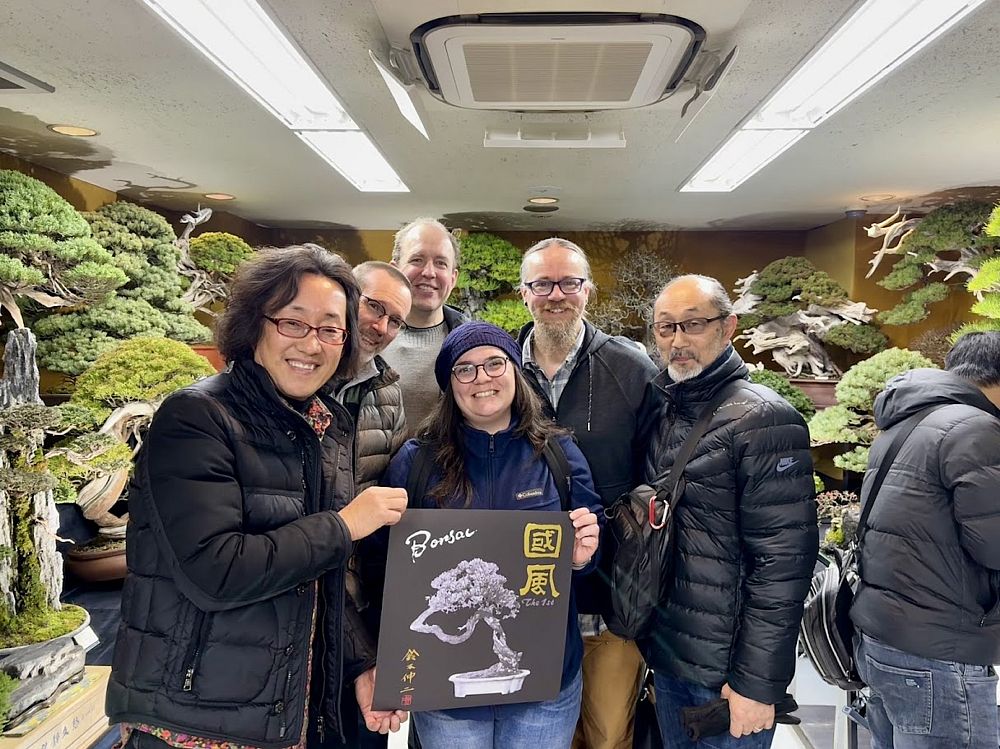
“In the sales portion of the show at the Green Club, or baiten, we first met up with Shinji Suzuki. We later would visit him in his garden in the town of Obuse. One of the many trees in the show that he worked on this year is the pine on the poster he is holding. It was a historic tree, having been in the very first Kokufu show 92 years ago in 1934! Suzuki-san’s work on it for this show made the tree shine.
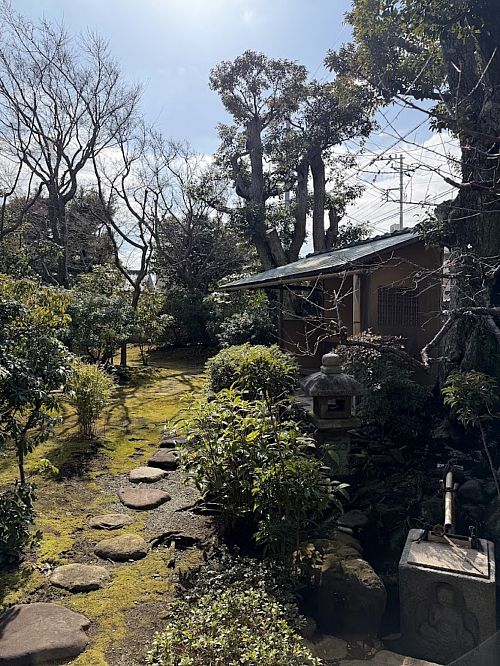
I had many other adventures, getting to visit several bonsai nurseries across the country, as well as a few of the beautiful gardens of Tokyo. A special treat for me, meeting up with an old friend who took me to a few Zen temples in Shizuoka prefecture, where I saw a most perfectly-kept, private tea garden. I already can’t wait to get back to Japan for more bonsai and gardens and temples, and umeboshi onigiri.”
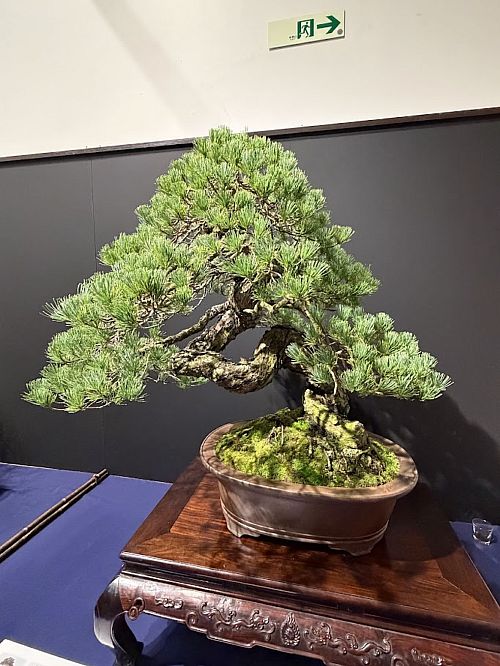
100 year old pine bonsai shown at the very first Kokufu in 1934
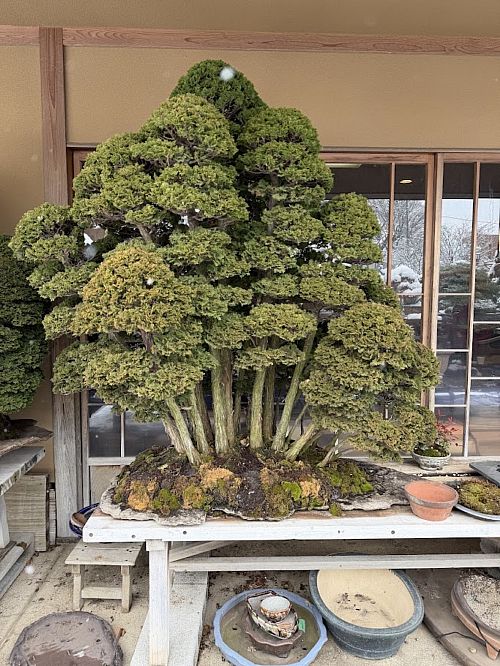
A short, train ride away, too close to pass-up, is the village of Ōmiya, full of bonsai nurseries and the Ōmiya Bonsai Museum. It’s where I had my breath taken away by one of the famous hinoki forests from the Kato lineage.
“If you are able, please come and visit our humble bonsai display this year at Portland Japanese Garden when it returns in late April. Our display is put together by Michael Hagedorn alongside me and my colleagues in our Garden Department, and it’s our pleasure to showcase the work of so many wonderful artists here in the Pacific Northwest and across the U.S. Additionally, in July, the Japanese Garden Training Center, a programmatic pillar of Portland Japanese Garden’s sibling organization Japan Institute, is excited to host a very special visit from Shinji Suzuki. He will be giving a public lecture and leading a demonstration.
I hope to see you here soon, and at the Pacific Bonsai Expo in early 2027!"
Evan Cordes
Lead Gardener
Portland Japanese Garden


